5 Things to Consider Before Finishing Your Basement

Assured Basements • May 25, 2021

When building a house with a basement, most homeowners decide to leave the latter unfinished to lower costs. They are left with the square footage and expansion option for later use – one of the primary factors for higher property value – but they temporarily save on the building expenditure. 

When you want to finish your basement, there are many factors to consider, like your budget, the age of the house, your preferred model, etc. These factors determine the cost and the essential pre-preparation. 

Some basements qualify directly for finishing, while others may require structural repairs before finishing. For example, an old or poorly maintained home may have issues with the foundation, ceiling height, wiring, plumbing, and other fundamental features. You must solve all these issues before finishing the basement to ensure the safety and aesthetics of the building. 

If you are want to finish your basement but aren’t sure how to do it rightly, this article is for you. We have discussed all the things you need to do before finishing your basement. 

Things to Consider Before Finishing the Foundation
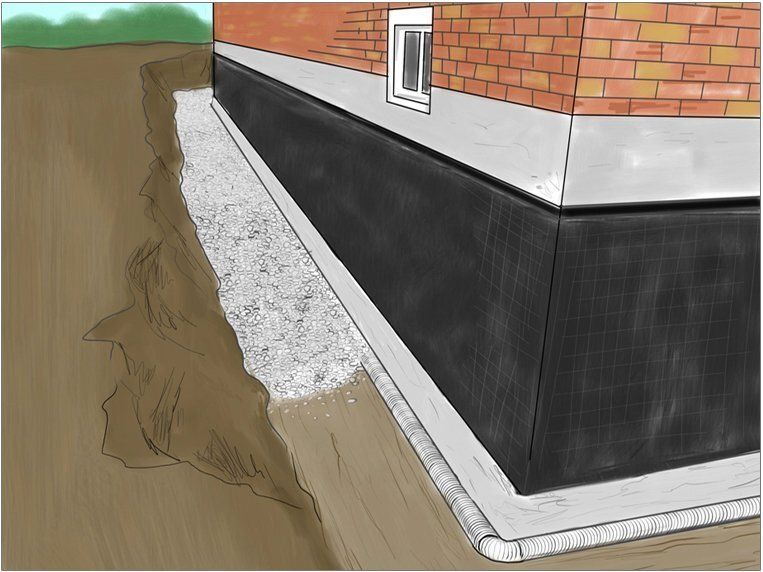
basement foundation

Check the Foundation 

Before doing any construction work in your basement, check the state of your foundation. It is not unusual for a basement to have cracked walls, which require repairs before any other work is done. Basement walls can develop cracks due to stress. These cracks weaken the concrete and can cause extra foundation problems if you don’t repair them on time. 

If you notice major foundation problems, act quickly and do the appropriate repairs. Otherwise, the stability and safety of your building will be endangered, making the basement renovation more difficult. 

Pinpoint Code Violations 


If your basement is old or the contractor cut corners during the initial construction, you may have some code violations to solve . Besides, you might need specific permits to sort out the violations based on your city regulations. 


The primary issue in most basement finishing projects is the lack of egress windows. These windows are constructed into the ground with a well on the exterior that makes it possible for a grown-up to exit the home via the windows in case of fire. 

You can reach out to your city authorities to learn more about the legal codes and permits. They will highlight to you all the requirements to enrich your floor plans. 

Solve Any Water Issues 

Check your walls, ceiling, and floors carefully for indications of water damage. It’s not uncommon for leaking pipes to go undetected in the basement or for water to drip from your lawn sprinklers, causing mold, rot, and foundation shifting. 

From ensuring that the lawn slopes away from the foundation to fixing leaky pipes, it’s essential to solve water issues before finishing your basement. If you ignore such tentative issues, you may experience major and costly problems later. 

Insulate Properly 
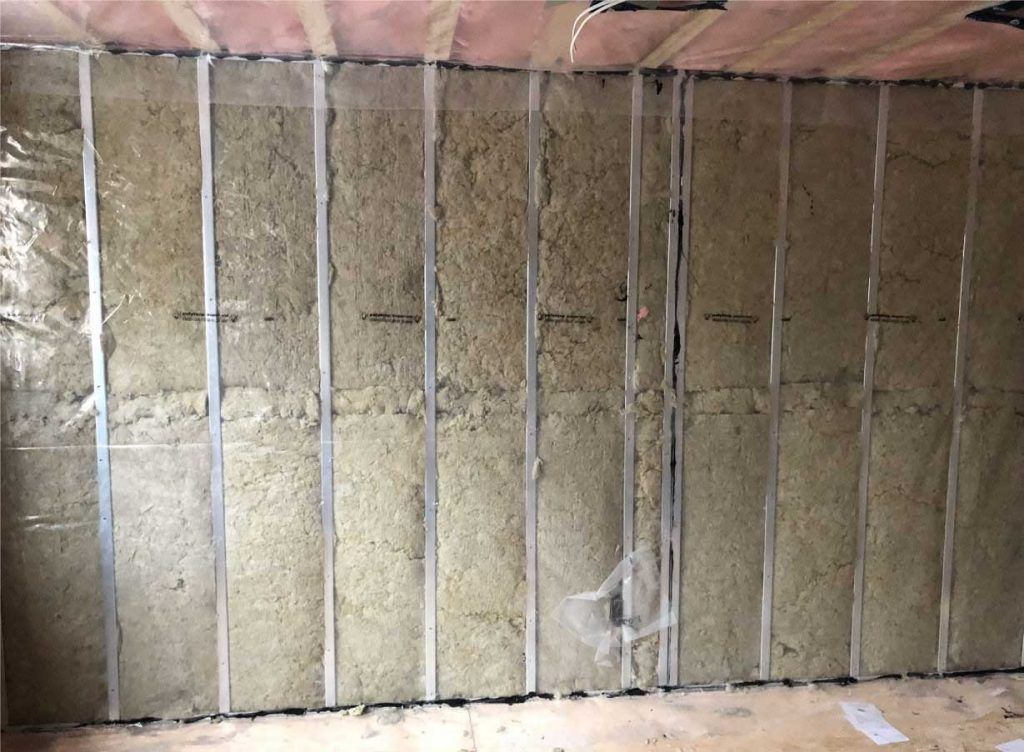
basement insulation

Property owners often hold back on the basement insulation because they spend less time in the basement. Nevertheless, that’s a big mistake that you should not make. 

Basement insulation brings significant energy-saving benefits throughout the year. If you properly insulate your basement, your HVAC system will be functional for fewer hours. Furthermore, the insulation will protect your foundation and property from various weather elements, like heat and cold.     

There are many insulations options to choose from – from fiberglass batts to spray foam. The spray form insulation is highly recommended because of its efficiency. 

Assess the Ceiling 

Here, it would be best if you consider the height first. If your basement was built before the 21st century, it might lack a ceiling since 20th-century designs didn’t follow the strict fire codes we have today. Whether you choose to raise your ceiling to adhere to the current fire codes or for comfort, discuss your preference with a professional contractor. 

Secondly, you should consider access to electrical and plumbing lines, which run along with the basement ceiling. You cannot deny access to these integral features, but you should not leave them exposed, either. In this scenario, you need a drop or suspended ceiling. 

The disadvantage of the above approach is that it can make your basement look more like an office and reduce the room height. Its advantage is that it offers functionality without an unsightly access panel in the ceiling. 

  Contact Assured Basements Today

 At Assured Basements, we have established ways to solve the complexities homeowners and fellow contractors experience when it comes to basement finishing. We will take away all the stress and hassle of managing basement renovations and allow you to continue with your regular schedule uninterrupted. Please  contact us  today to learn more about our services. 

You might also like
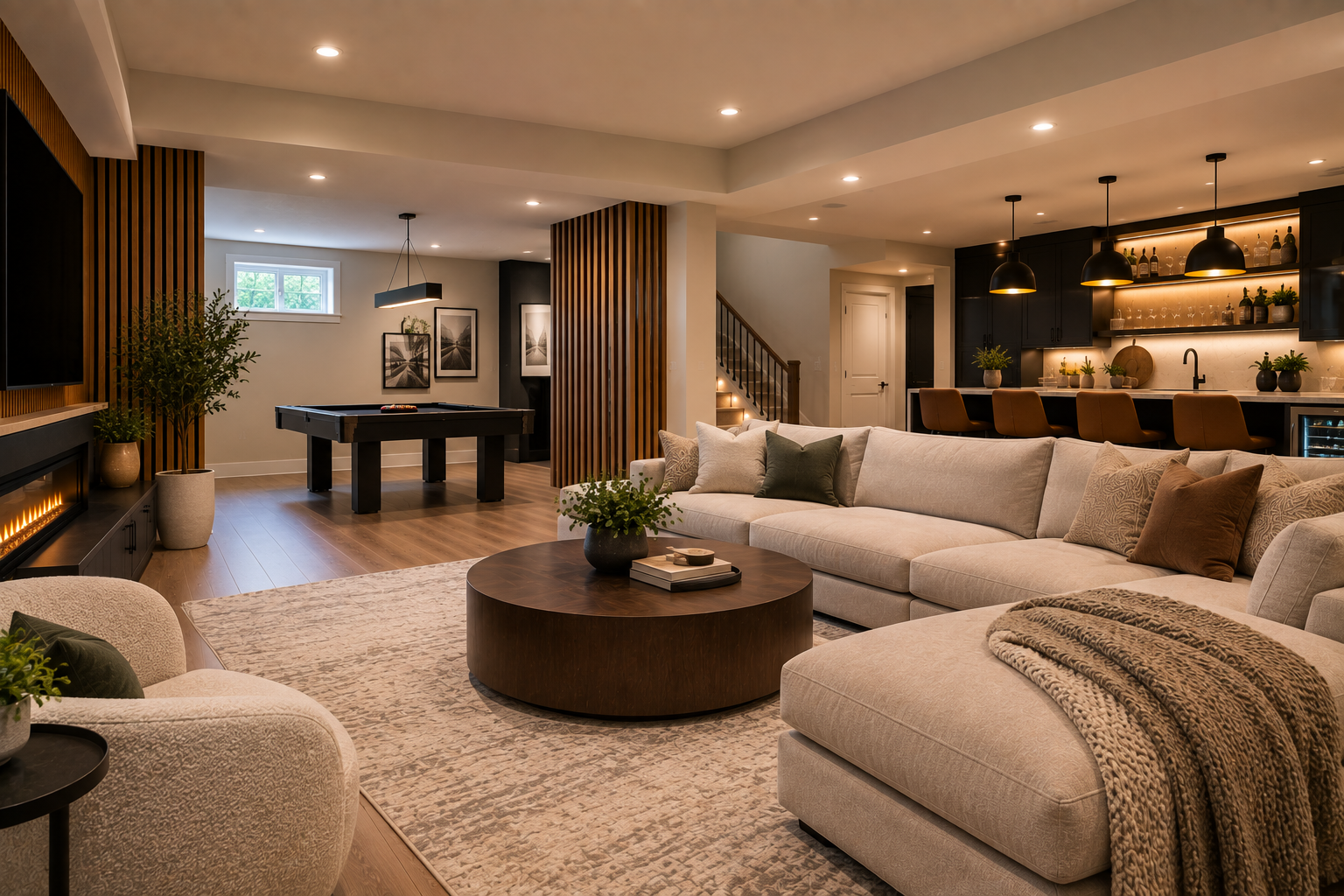
How to Create a Basement Lounge That Feels Like a True Extension of Your Home
June 24, 2026
Why Some Basements Feel Finished but Still Do Not Feel Connected A basement can be fully renovated and still feel separate from the rest of the house. That happens more often than homeowners expect. The flooring may be new, the walls may be painted, and the furniture may be in place, but something still feels slightly disconnected. Instead of feeling like another natural living area, the lower level can end up feeling like a secondary zone that gets used only occasionally. That is exactly why basement lounge design matters so much. A lounge is not just a place to put a sofa. It is a space that should feel calm, welcoming, comfortable, and fully tied into the way the home already lives.  For homeowners across Toronto, Mississauga, Brampton, Vaughan, Kitchener, London, and surrounding Ontario communities, the goal is increasingly not just to finish the basement but to make it feel like a true extension of the home. That means the lower level has to carry the same emotional warmth and design confidence as the main floor. It needs to feel like a place where people naturally gather, unwind, host, and spend time, not just a room downstairs that happens to be available. A Basement Lounge Should Feel Lived In, Not Just Styled One of the biggest differences between a successful basement lounge and an average finished basement is whether the room feels genuinely livable. A basement lounge should support real routines. It should feel like the kind of space where someone can have a quiet coffee, sit with family, watch a show, host a few friends, or simply decompress at the end of the day. If the room looks polished but feels stiff or underused, it is missing the point. This is where many homeowners start to rethink what they want from a basement renovation. Instead of designing purely around a television or a single feature, they begin focusing on how the room should actually feel. Comfortable seating, a warm layout, layered lighting, quiet storage, and a strong sense of cohesion usually matter much more in the long run than trying to make the room overly dramatic or trend heavy. Why the Best Basement Lounges Feel Consistent With the Main Floor If a basement is supposed to feel like a true extension of the home, then it should not look or feel like it belongs to a completely different house. That does not mean the design has to be identical to the main floor, but it should feel related. The materials, tones, style direction, and overall atmosphere should connect naturally so that going downstairs still feels like being inside the same home. This can happen in subtle ways. Similar flooring tones, compatible paint colors, consistent trim details, related hardware finishes, and complementary lighting styles all help build that connection. Even when the basement has its own personality, it should still feel like part of the same design story. This is one reason homeowners often start by looking at completed projects before planning their own lower level. Seeing real examples helps clarify how a basement can feel cohesive without simply copying the rooms upstairs. Comfort Should Lead the Design A basement lounge will never feel successful if comfort is treated as secondary. This is one of the main reasons lounges differ from more utilitarian basement layouts. The room has to invite people in. It should feel soft enough to relax in, open enough to breathe in, and warm enough that people naturally want to stay there. That usually starts with seating. A basement lounge needs furniture that supports conversation, lounging, and flexibility. A well sized sectional often works well because it gives the room a more grounded and welcoming feel. In other homes, a sofa with a pair of chairs may create a better balance. The right answer depends on the room size and how the space will be used, but the goal is always the same. The room should feel easy to settle into. Comfort also comes from what surrounds the seating. Rugs, layered textiles, soft lighting, and a layout that leaves enough breathing room all matter. A basement lounge should feel relaxed rather than tightly arranged. Layout Is What Makes the Room Feel Natural A lounge should never feel like furniture was simply pushed into the basement after construction finished. The layout has to support how people move through the room, where they sit, what they look toward, and how the basement connects to nearby features such as bars, built ins, fireplaces, or stairs. This is where the difference between a basement lounge and a generic family room often becomes clear. A lounge usually feels more intentional. There is a focal point, whether that is a fireplace, media wall, art feature, or simply a central seating arrangement. The furniture placement encourages use and conversation rather than just filling empty floor area. In open concept basements, the lounge may also need to connect smoothly to another zone. That might be a wet bar, a guest area, a games space, or a home office nearby. A good layout lets the lounge feel defined without making the basement feel cut up or overplanned. Lighting Has a Huge Effect on Whether the Room Feels Inviting Basements are especially dependent on good lighting because they often do not have the same amount of natural light as the upper floors. If the lighting is too harsh, the lounge can feel cold. If it is too dim, it can feel closed in. The right balance is what makes the room feel warm, open, and usable at different times of day. A basement lounge usually works best with layered lighting. Recessed lights can provide the base level of brightness, but they should not be doing all the work. Lamps, sconces, shelf lighting, and subtle accent lighting all help soften the room and create atmosphere. This is particularly important in the evening, when the lounge is most likely to be used. Lighting also plays a major role in helping the basement feel connected to the rest of the home. If the lower level has a similar warmth and quality of light to the main floor, it feels much less like a separate zone. Storage Helps the Room Feel More Relaxed A lounge should feel calm, which means it needs enough storage to keep clutter out of sight. This is one of the most underrated parts of basement design. A room can have beautiful finishes and furniture, but if blankets, remotes, charging cords, kids’ items, books, and miscellaneous overflow have nowhere to go, the room will start feeling chaotic quickly. Built ins, lower cabinetry, sideboards, hidden storage tables, and integrated shelving all help create a more polished feel. The goal is not to remove all personality from the room. It is to give everything a place so the lounge stays easy to enjoy. This becomes even more important if the basement is used by the whole family. A well designed lounge should feel usable in everyday life, not just on the day it is photographed. A Fireplace or Media Wall Can Help Anchor the Space Many of the most successful basement lounge ideas include a visual focal point that grounds the room. In some homes, that is a fireplace wall. In others, it is a media wall with built in storage or shelving. Even a strong art wall or a carefully designed lounge and bar connection can create that sense of structure. The reason this matters is simple. Basements often have broad open floor plans, and without some kind of visual anchor, they can feel a little undefined. A focal point gives the room identity. It helps the seating arrangement make sense and gives the eye somewhere natural to land. That does not mean every lounge needs to revolve around a television. In fact, many homeowners want the basement to feel less screen driven and more conversation friendly. The focal point just needs to support the kind of mood the room is meant to create. Materials and Finishes Shape the Emotional Tone A basement lounge that feels like part of the home usually uses finishes that feel warm, refined, and comfortable rather than overly hard or overly stark. That could mean warm wood tones, layered textiles, subtle stone accents, soft neutral upholstery, or matte finishes that absorb light more gently. In 2026, many homeowners are moving toward calmer palettes in basement design. Warm greys, taupes, creams, soft charcoals, natural wood, and muted black accents all continue to work well because they make the lower level feel sophisticated without becoming formal. These kinds of finishes also tend to age well, which matters when the goal is creating a lounge that will still feel relevant years from now. What matters most is not the exact color or material, but the consistency of the tone. The room should feel composed. The Lounge Can Still Include Lifestyle Features A basement lounge can absolutely include extras such as a bar, built ins, a fireplace, or a subtle media wall, but those features should support the room rather than take over it. The best basement lounges are rarely the ones trying to do too much at once. They are the ones where every added element contributes to comfort and use. A small bar area can make the lounge feel more self contained and social. Built ins can make it feel cleaner and more polished. A fireplace can add warmth and a focal point. The key is integration. These features should feel like part of the room, not separate attractions competing for attention. That is often where custom renovation planning makes the biggest difference. When the lounge is designed as part of the whole lower level, it feels much more complete. Why a Basement Lounge Adds Real Value A basement lounge adds value because it creates emotional usability. Buyers and homeowners both respond strongly to spaces that feel easy to enjoy. A lounge suggests that the basement is not just finished, but thoughtfully finished. It shows that the lower level can support relaxation, hosting, family time, and everyday life in a meaningful way. This kind of value is not only about resale. It is also about how the home functions now. A lounge can take pressure off the main floor, give the family another place to gather, and make the house feel larger without changing its footprint. That kind of improvement tends to be felt immediately. Why Professional Basement Planning Makes the Difference A basement lounge may look effortless when it is done well, but that ease usually comes from good planning. Layout, lighting, storage, focal points, materials, and transitions all need to work together. In a basement, that also means accounting for ceiling lines, bulkheads, window placement, and how the room connects to the rest of the lower level. Professional basement contractors understand how to make all of that feel intentional. They can help create a room that looks polished, feels comfortable, and actually supports the way the household lives. That is often the difference between a basement that is technically finished and one that truly feels like part of the home. Conclusion: A Great Basement Lounge Should Feel Like It Always Belonged There The best basement lounges do not feel like bonus rooms. They feel like they were always meant to be part of the home. In 2026, more Ontario homeowners are designing basement lounges that feel warm, cohesive, comfortable, and fully integrated with the rest of their living space. With the right layout, lighting, finishes, and storage, a lower level lounge can become one of the most inviting rooms in the entire house. If you are planning a basement renovation and want a lounge that feels polished, relaxed, and truly connected to the rest of your home, Assured Basements can help create a lower level that feels beautiful and fully livable.
How to Design a Basement Playroom That Still Looks Clean and Organized
June 17, 2026
Why So Many Families Want a Better Basement Playroom A basement playroom sounds simple in theory. It is supposed to be the place where toys go, where kids can spread out, and where the main floor gets a little breathing room back. But in real life, many playrooms do not stay calm or useful for very long. They become cluttered, noisy, visually chaotic, and hard to maintain. That is why more homeowners across Ontario are starting to think differently about basement playroom design. They do not just want a room for toys. They want a lower level space that works for children while still feeling organized, attractive, and connected to the rest of the home.  For families in Toronto, Mississauga, Brampton, Vaughan, Kitchener, London, and surrounding areas, the basement has become one of the most practical places to create that kind of flexible family space. It offers separation from the busiest parts of the house, enough room to create zones, and the opportunity to design something around how the family actually lives now. A thoughtfully planned basement playroom can support play, reading, crafts, quiet time, and even media use, all without making the space feel messy or temporary. A Good Playroom Is Really About Better Daily Flow The biggest benefit of a basement playroom is not just that children have somewhere to play. It is that the whole home starts to function better. When toys, games, and kid centered activities have a dedicated place, the main floor does not have to carry all of that pressure. Living rooms feel calmer. Dining tables do not end up covered with crafts all week. Parents are not constantly shifting piles of items from one room to another just to keep things usable. That is why the best basement playroom ideas start with the broader goal of making everyday life easier. The room should help reduce friction, not create more of it. It should be easy for children to use, but it should also be easy for adults to reset, tidy, and maintain. That balance is what keeps the space successful over time. Designing for Kids Does Not Mean Giving Up Good Design One of the most common mistakes homeowners make is assuming that if a room is designed for children, it has to look chaotic or overly themed. In reality, the strongest basement playrooms are often the ones that stay relatively calm visually. They use good storage, thoughtful layout planning, soft neutral finishes, and a few playful details rather than trying to make every corner bright, loud, or heavily decorated. Children do not need visual overload to enjoy a room. They need comfort, access, and room to imagine. A better approach is to create a clean and welcoming backdrop that can handle books, toys, and everyday use without feeling busy all the time. This tends to age better too. A basement playroom should not feel outdated in two years because every design choice was based on one short phase of childhood. Layout Matters More Than Decor A basement playroom works best when the layout supports more than one type of activity. Kids rarely use a room in only one way. One child may want to build, another may want to draw, and another may just want to lounge with a book or watch something quietly. That is why a strong playroom layout usually feels zoned even if it is open. A reading corner, a central open area, a low table for crafts, and a wall of organized storage can work together without the room feeling divided or overdesigned. The goal is to give the space enough structure that it feels functional, while still leaving room for flexibility and movement. In a basement, this is especially important because lower levels often have more open floor area to work with than the main floor. Used properly, that can make the playroom feel spacious rather than crowded. Storage Is the Difference Between a Great Playroom and a Frustrating One If there is one feature that has the biggest impact on whether a basement playroom stays clean and organized, it is storage. Without it, the room will almost always drift toward clutter, no matter how attractive it looked at the start. The best playroom storage is easy for children to use and easy for parents to maintain. That means the design should not rely only on high shelves or decorative baskets that make sense in photos but not in daily life. Low cubbies, built in cabinetry, labeled bins, storage benches, and a combination of open and closed storage tend to work best. Open cubbies make it easy for children to access everyday items, while closed cabinets help hide visual clutter and keep the room looking calmer overall. That balance matters. A fully open storage wall can become overwhelming, while a room with only closed cabinets may be less intuitive for younger children to use. The most successful playrooms usually make cleanup feel simple. When every category of item has an obvious home, the room stays more manageable. Built Ins Help the Room Feel Organized From the Start One of the smartest ways to design a basement playroom that still looks polished is to include built in storage. Built ins help the room feel like part of the home rather than a temporary kids zone created with mismatched furniture. They can frame a media wall, run beneath a window, wrap around a play corner, or combine open shelving with lower cabinets for a cleaner look. They also make better use of basement dimensions. Instead of relying on freestanding storage pieces that can feel bulky or disconnected, built ins create a more tailored result and often use the wall space more efficiently. For families, this matters because the room needs to support real use without feeling chaotic all the time. A playroom with integrated storage usually feels more intentional from the moment you walk in. That kind of quiet structure is what helps the space stay attractive over time. Soft Finishes Make the Room Feel More Comfortable A basement playroom should feel warm and comfortable, not like a spare room filled with plastic furniture. Soft textures, durable rugs, comfortable seating, and warm flooring choices all help create a room where children and adults actually want to spend time. Luxury vinyl plank often works well in these spaces because it is durable, easy to clean, and visually softer than tile or concrete based finishes. Large area rugs can then define activity zones and add comfort for floor play. Small sofas, beanbags, poufs, reading chairs, and kid sized tables can make the room more usable without making it feel cluttered. The goal is not to fill the room with furniture. It is to choose enough comfort elements that the basement feels welcoming and lived in. Lighting Has a Big Effect on How the Room Feels Because basements naturally have less daylight, lighting is especially important in a playroom. A dim basement room tends to feel less inviting and less energizing, which is the opposite of what a good play space should do. At the same time, overly harsh lighting can make the room feel cold or overstimulating. The best lighting approach is usually layered. Recessed ceiling lights help brighten the room evenly, while lamps or wall lighting can soften certain corners. If the basement has windows, the layout should make the most of them rather than blocking the light with tall storage pieces. A brighter room feels cleaner, more cheerful, and easier to use throughout the day. Good lighting also helps parents feel better about the basement as a family zone. It makes the lower level feel more connected to the rest of the house rather than hidden away. A Basement Playroom Can Grow With the Family One of the best reasons to renovate a basement playroom thoughtfully is that the room can evolve over time. The goal should not be to create something so specific that it only works for one age and one routine. A better design gives the room room to change. The toy area used by younger children may later become a craft zone, a homework area, a gaming space, or a casual hangout for older kids. A reading nook can remain useful for years. Built in storage can shift from toys to books, school items, board games, or hobby supplies. If the room is designed with flexibility in mind, the renovation has far more staying power. This is one reason calm design works so well. It gives the room a stronger long term foundation while still allowing the details of daily life to change around it. Parents Need the Room to Feel Good Too A basement playroom is built for children, but it still needs to feel good for adults. Parents are often the ones tidying it, supervising it, and spending time there too. If the room feels visually stressful, constantly messy, or disconnected from the rest of the home, it will not feel like an asset for very long. That is why things like storage, lighting, finish selection, and furniture scale matter so much. The best playrooms do not scream that they are children’s spaces. They simply function well for children while still feeling like part of a thoughtfully designed home. That makes a huge difference in how the room is used and appreciated. Sound Control Is Worth Thinking About Playrooms are naturally lively spaces, and that usually means sound. In a basement, this can actually be a benefit because it gives children room to play without taking over the main floor. Still, if the room sits beneath a busy living area or kitchen, some sound planning can make the whole house work better. A basement playroom that is comfortable acoustically feels calmer inside and less disruptive outside. Rugs, soft furnishings, and thoughtful construction choices can all help reduce how much noise travels. This becomes especially useful in households with multiple children or in homes where the basement is used daily rather than occasionally. Playrooms Add Practical Value to a Finished Basement From a resale standpoint, a well planned basement playroom adds value not just because it is for kids, but because it shows the basement can support real family life. Buyers often respond strongly to finished lower levels that feel useful, organized, and flexible. Even if they do not use the space in exactly the same way, they can still see the potential. A room with storage, comfortable finishes, good lighting, and a clean layout is easy for buyers to imagine using for children, hobbies, homework, or future family needs. That flexibility is what gives the renovation broader appeal. Why Professional Basement Planning Makes the Result Stronger A basement playroom might sound like a simple idea, but making it feel clean, organized, and attractive takes more planning than many people expect. Layout, storage, lighting, flooring, wall space, and flexibility all have to work together. That is where professional basement contractors make such a difference. They help homeowners think beyond the obvious and create a room that supports real family use without losing visual calm. A specialist also understands the challenges and opportunities that come with designing in a basement. Ceiling height, window placement, storage potential, and flow with the rest of the lower level all matter. When those decisions are handled well, the playroom feels like part of a complete basement renovation rather than a separate corner filled later. Conclusion: The Best Basement Playrooms Feel Fun, Calm, and Easy to Maintain A great basement playroom is not just about giving kids somewhere to put toys. It is about creating a family space that supports play while still feeling clean, organized, and comfortable to live with every day. In 2026, more Ontario homeowners are choosing smarter basement playroom design because they want lower levels that reduce clutter, improve flow, and grow with the family over time. With the right layout, storage, lighting, and finish choices, a basement playroom can be one of the most useful and appreciated rooms in the home. If you are planning a basement renovation and want a playroom that feels practical, polished, and built for real family life, Assured Basements can help create a lower level that works beautifully now and later.
Basement Fireplace Ideas That Add Warmth and Style to a Finished Lower Level
June 10, 2026
Why a Fireplace Changes the Feel of a Basement So Quickly A finished basement can already add comfort, function, and value to a home, but a fireplace often changes the emotional feel of the space faster than almost any other feature. It adds warmth visually, gives the room a clear focal point, and helps the lower level feel more like a true living area rather than simply extra square footage. For homeowners across Toronto, Mississauga, Brampton, Vaughan, Kitchener, London, and surrounding communities, that matters because the basement is increasingly being designed as a place where people actually want to spend time, not just somewhere to store things or occasionally watch television. Assured Basements positions its services around transforming lower levels into practical, livable spaces throughout Ontario and the GTA, including the broader cities you mentioned earlier.  A fireplace also brings a kind of balance to basement design. Lower levels can sometimes feel cooler, darker, or less defined than the rest of the house. A well placed fireplace helps solve some of that by creating a natural center for the room. Even when it is not being used for heat, it gives the space a stronger sense of purpose and comfort. That is one reason fireplaces continue to appear in more high quality basement renovations. Assured Basements’ basement remodelling page specifically highlights fireplaces among the custom features homeowners can integrate into a lower level renovation. The Best Basement Fireplace Ideas Start With the Room, Not the Unit One of the biggest mistakes homeowners make is shopping for a fireplace style before thinking about the room around it. A basement fireplace works best when it is planned as part of the overall layout, not added in as a decorative afterthought. The scale of the room, the width of the feature wall, the seating arrangement, and even how people walk through the basement all affect whether the fireplace feels well integrated or out of place. In some homes, the fireplace becomes part of a media wall, sitting below a mounted television and flanked by built in cabinetry or shelves. In others, it works better as a cleaner, more minimal feature that helps anchor a lounge or conversation area. The right answer depends on how the lower level is meant to function. A basement designed for family movie nights will want a different fireplace approach than a quieter lounge or guest focused space. That is one reason it helps to treat the fireplace as part of a broader basement renovation conversation from the start. Assured Basements emphasizes purpose-designed floor plans, customized fittings, and materials that reflect the homeowner’s goals, which is exactly the kind of planning that makes a fireplace feature wall work properly. Linear Fireplaces Continue to Lead in Modern Basement Design In 2026, one of the strongest basement fireplace ideas remains the clean linear fireplace. It works especially well in finished lower levels because it gives the room a modern focal point without feeling bulky or dated. A linear format tends to sit comfortably within media walls, contemporary lounges, and open concept entertainment basements, where a streamlined visual approach matters. What homeowners like about this style is that it feels warm but still uncluttered. It creates atmosphere without asking the room to revolve entirely around rustic or traditional design language. That makes it easier to pair with built ins, floating shelves, dark stone surrounds, wood accents, or smooth painted wall treatments depending on the look the homeowner wants. This kind of feature also fits naturally with the more custom design direction seen in many of Assured Basements’ completed lower levels, especially on the Our Work gallery page where finished spaces emphasize cohesion, storage, and visual polish. A Fireplace Wall Can Do More Than Hold a Fireplace A fireplace becomes even more valuable when the full wall around it is designed with purpose. This is where some of the best basement fireplace ideas really begin to stand out. The feature is not only about flame or heat. It is about what the entire wall contributes to the room. Built in cabinetry below the fireplace can add concealed storage for electronics, games, throws, and media accessories. Open shelving can soften the wall with plants, books, artwork, or styled decor. Stone or wood detailing can create contrast and give the lower level more dimension. In some basements, the fireplace wall becomes the visual anchor that brings together television placement, lighting, and furniture arrangement all at once. That kind of custom solution often works far better than a freestanding entertainment unit or a fireplace inserted into an otherwise plain wall. It helps the basement feel designed from the beginning rather than furnished after the fact. Fireplaces Work Especially Well in Family and Entertainment Basements Basements often end up serving as movie rooms, family lounges, or year round entertainment spaces. In those kinds of lower levels, a fireplace adds more than warmth. It helps the room feel inviting before the television is even on. It gives the space a softer evening atmosphere and makes the basement more enjoyable for conversation, hosting, or simply winding down at the end of the day. This is one reason fireplaces pair so naturally with other basement upgrades like wet bars, built ins, and open lounge seating. A lower level designed for entertaining feels more complete when there is a central visual feature tying the room together. If a homeowner is already planning a social or media focused space, a fireplace often becomes one of the most worthwhile finishing touches because it improves both the style and the mood of the room. That also aligns well with Assured Basements’ broader renovation approach. Its remodelling service specifically includes fireplaces, cabinetry, and other integrated custom elements that turn the basement into a more complete living area. Stone, Wood, and Clean Painted Walls All Create Different Effects Material choice changes the tone of a basement fireplace dramatically. A dark stone fireplace wall gives the room a more dramatic and grounded feel. It works particularly well in media spaces or basements with moody lighting, darker cabinetry, or a more high contrast palette. Wood accents create warmth and soften the feature, which helps in family basements or lower levels that aim to feel cozy rather than formal. A cleaner painted surround or minimalist fireplace wall, on the other hand, can make the basement feel brighter and more contemporary. This works well in basements that prioritize light neutral finishes, open layouts, and a more understated aesthetic. The best choice comes down to how the room is meant to feel overall. The important thing is consistency. The fireplace should feel like it belongs to the basement as a whole. It should not look like it came from a completely different design direction than the seating, flooring, lighting, or storage around it. Lighting Around the Fireplace Matters More Than People Expect A fireplace naturally draws the eye, but the lighting around it determines how polished the whole feature feels. Recessed lighting above the wall, integrated shelf lighting, and subtle accent lighting can all help the fireplace read as a true design feature instead of just a unit cut into the wall. This becomes especially important in a basement, where artificial lighting often carries more of the design burden than it would on the main floor. A fireplace wall with thoughtful lighting feels richer and more intentional at night, which is exactly when many homeowners are actually using the room. If the basement also includes a bar area, lounge corner, or built in shelving nearby, the lighting strategy should connect those elements rather than treating them as isolated features. That is one of the clearest signs of a well planned lower level. A Fireplace Helps Smaller Basements Feel More Finished Too Not every basement with a fireplace has to be large. In smaller lower levels, a carefully scaled fireplace can actually help the room feel more refined and organized because it gives the space a clear focal point. Without one, the basement may feel like a collection of furniture pieces without enough structure. A smaller basement may benefit from a narrower linear fireplace, a simplified built in wall, or a more compact media-fireplace combination that preserves floor space while still creating visual weight. In these cases, proportion matters even more. The goal is not to overpower the room but to give it identity. This is another reason homeowners often benefit from reviewing completed renovation galleries before making decisions. It helps show how scale, storage, and focal points can work together in real spaces rather than only in inspiration photos. Fireplaces Add Emotional Value That Buyers Notice From a resale standpoint, fireplaces tend to do something important. They help buyers imagine themselves actually using the space. A basement with a fireplace often feels more memorable because it reads as warm, complete, and ready for real life. Even buyers who are not explicitly searching for a fireplace often respond to the comfort it brings to the lower level. That emotional response matters in a finished basement because lower levels sometimes struggle to feel as inviting as the upper floors. A fireplace helps close that gap. It suggests that the basement is not just extra space, but space that has been thoughtfully upgraded to support daily comfort and enjoyment. Since Assured Basements’ work emphasizes finished, functional lower levels and showcases completed projects through its portfolio, this kind of design feature fits naturally into the kind of renovation value the company presents to homeowners. Why Professional Planning Matters for a Basement Fireplace A basement fireplace may look like a simple design choice from the outside, but it usually connects to many parts of the renovation. Wall construction, media placement, electrical planning, cabinetry, lighting, material selection, and room layout all need to work together. When the feature is planned late, it often feels disconnected from the rest of the basement. When it is integrated early, it tends to become one of the strongest parts of the design. This is where a structured renovation process matters. Assured Basements outlines a start to finish workflow through its Our Work Process page, including planning, construction, project oversight, and final inspection. For a fireplace wall that may also involve built ins, lighting, and media integration, that kind of coordination is especially valuable. Working with basement specialists also helps homeowners avoid common mistakes like choosing a unit that is the wrong scale, placing it on the wrong wall, or failing to connect it visually with the rest of the room. Conclusion: A Fireplace Can Turn a Finished Basement Into a True Living Space The best basement fireplace ideas do more than add one attractive feature to the lower level. They change the atmosphere of the entire room. In 2026, Ontario homeowners are choosing basement fireplaces because they want lower levels that feel warmer, more stylish, and more complete. Whether the space is used for family time, entertaining, movie nights, or quiet evenings, a well planned fireplace can become the design feature that ties everything together. If you are planning a lower level upgrade and want a fireplace wall that feels polished, practical, and fully integrated into the basement design, explore the Our Work gallery or visit the Contact page to schedule a consultation with Assured Basements. You can also call 1-866-580-8484 to get started.

Get Your Basement Renovated In Toronto By Assured Basements

Get A Free Estimate