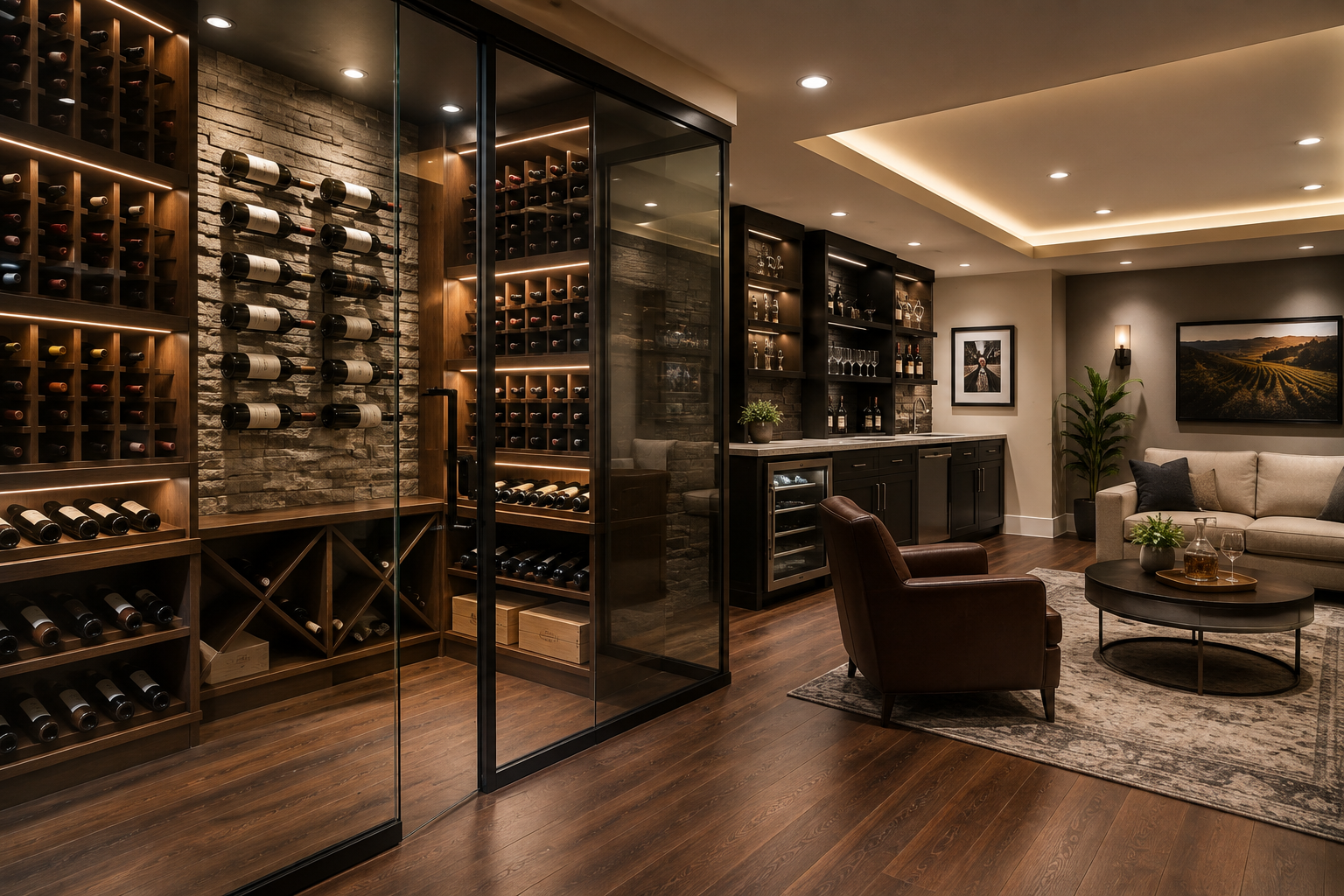
Basement Restoration - Tips for Getting Started

Vimal Siva • March 24, 2023

Do you have a basement that is unused and collecting dust? It's time to renovate it so that it becomes the ideal space for you! You can transform your basement into a useful, fashionable area that increases the value of your house with just a small amount of forethought and work. This step-by-step guide will teach you how to renovate your basement to the fullest extent possible, from planning a layout to selecting the appropriate materials.


This guide will provide you all the advice you need to turn your idea into reality, whether you're trying to design a comfortable cinema room or a chic home office. Now put on your work gloves and prepare to transform your basement into a fantasy room that will wow your family and friends for years to come!

Benefits of restoring your basement


Are you sick of your basement serving as a gloomy, soggy storage space? Did you know that remodelling your basement can significantly increase the value of your house? A completed basement can provide your family greater living space, increase the size of your house, and even boost its resale value. A new practical and fashionable area can also be created, which can be a fascinating project to do.


Think about how you plan to use the space before determining whether to renovate your basement. A finished basement can be transformed into a number of rooms, such as a home office, game room, cinema, or even an extra bedroom. You can make your home more useful and give your family a comfortable place to live by designing a practical area.


Assessing your space and creating a layout


You must measure your space and design a layout before beginning your basement restoration. Start by calculating the basement's dimensions and drawing out a floor layout. This will assist you in picturing the space you wish to use and the materials you'll need.


A plan should take your plumbing and electrical systems into account. You must consider the position of your current systems if you intend to install a bathroom or kitchen. Take into account the room's ceiling height and any possible support columns. Your design and layout may be impacted by them.


Obtaining Permits and Scheduling Inspections


The next stage is to get all required permits and arrange inspections after you have a comprehensive scope of work and deadline. This stage of the process is important since it ensures that all work is compliant with laws and regulations. You might need to apply for several permits from your local government depending on the kind of work you intend to conduct.


Additionally, it's crucial to plan frequent inspections for the duration of the procedure. As a result, the work will be up to code and any problems will be found and addressed as quickly as possible.


Once you've designed a layout, check with an architect or contractor to make sure your design is feasible and complies with local building regulations. Before starting your restoration, they may assist you in locating any structural or safety issues that need to be fixed.


Choosing the right materials for your basement


Making your basement an attractive and useful place requires careful material selection. Take durability, moisture resistance, and ease of maintenance into account while choosing materials. Carpet, tile, and vinyl are a few common choices for basement flooring. Tile and vinyl are simple to clean and maintain, while carpet is a great choice for creating a comfortable ambiance.


Consider using cement board or moisture-resistant drywall when choosing wall materials. These materials can tolerate the moisture in a basement and stop the growth of mould. To create a distinctive look, you can also use wallpaper or wood panelling.


Lighter hues can help to brighten a room when choosing paint colours. Lighter colours can help a basement feel bigger and brighter because basements often have less natural light.


Waterproofing and addressing any structural issues


You must take care of any structural or waterproofing issues before starting your basement renovation. Moisture is frequently present in basements, which can encourage the growth of mould and harm the foundation of your house. To safeguard your investment, you must waterproof your basement.


Deal with any leaks or moisture problems in your basement first. They may be brought on by plumbing issues, drainage issues, or foundation fissures. Consider adding a sump pump or French drain to move any water away from your home's foundation once these problems have been resolved.


Before starting any repairs, seek professional advice if your basement has any structural problems, such as foundation or support beam cracks. Before beginning your remodelling, these problems must be resolved because they may jeopardize the safety of your house.


Adding lighting and electrical outlets


As basements often receive less natural light than other rooms in your house, installing lighting is crucial to making a room that is both bright and useful. Install overhead lighting first to brighten the area. To add more light where it is needed, you can also install task lighting, like table lamps or under-cabinet illumination.


When adding outlets, keep in mind where you'll need them and how your room is laid out. A functional and adaptable room can be made by adding more outlets. To be sure that your wiring complies with regional building requirements and is secure for your family, think about speaking with an electrician.


Insulating and soundproofing your basement


To create a cozy and useful place, your basement must be soundproofed and insulated. Your basement might be more comfortable to use all year round if you insulate it to help control the temperature. Your basement can become a more pleasant place to be in by helping to lessen noise from outside.


Use fibreglass insulation or foam board insulation when insulating your basement. These components can increase energy efficiency and assist in regulating the temperature in your space.


Acoustic ceiling tiles or soundproof curtains are two options for soundproofing your basement. These components can contribute to a quieter environment by reducing noise coming from your basement.


Decorating and furnishing your new space


After your basement makeover is finished, it's time to furnish and decorate your new room. Start by choosing furniture that complements the style and size of your room. To make the most of your space, think about choosing furniture with several uses, such a storage ottoman or sofa bed.


Consider using artwork and accessories to add colour and elegance while decorating your basement. Rugs and curtains are other things you may utilize to give your basement texture and warmth.


Maintaining your basement


Maintaining your basement is crucial to safeguarding your investment and making sure that the area continues to work and look well. Start by routinely checking your basement for any signs of damage or moisture. Remedy any problems right away to keep your home from suffering additional damage.


To prevent the growth of mould and to maintain a clean and healthy living space, regularly clean your basement. A dehumidifier can be used to control the moisture levels in your area and stop the growth of mould.


Conclusion: Enjoying your dream space


Renovating your basement into the space of your dreams may be a lucrative and enjoyable project. You may increase the value of your home and provide a comfortable living environment for your family by following these instructions and establishing a functional and fashionable place. Your basement has the potential to be a useful and lovely area that you'll enjoy for years to come, whether you're wanting to turn it into a cozy movie room or a chic home office. Now put on your work gloves and prepare to transform your basement into a fantasy room that will wow your family and friends for years to come!

You might also like
February 4, 2026
Why Understanding Your Basement Renovation Timeline Matters One of the most common questions homeowners ask before starting a basement renovation is how long the project will take. Whether you live in Toronto, Mississauga, Brampton, Vaughan, Kitchener, London, or surrounding areas, understanding the basement renovation timeline helps set realistic expectations and reduces stress throughout the process. Basement remodeling is a major investment, and knowing what happens at each stage allows homeowners to plan around family schedules, work commitments, and budgets. In 2026, with increasing demand for basement renovations across Ontario, timelines depend heavily on planning, scope, and professional execution.  Average Basement Renovation Timeline in Ontario While every home is different, most professional basement renovations in Ontario follow a predictable timeline. On average, a standard basement renovation takes several weeks from start to finish. Larger or more complex projects naturally require more time. Typical Timeline Ranges Basic Finished Basement Projects with minimal layout changes and no plumbing additions often take the shortest amount of time. Mid Range Basement Renovation Basements that include bathrooms, custom layouts, or upgraded finishes require additional weeks. Complex or Legal Basement Apartment Projects involving legal suites, separate entrances, or major structural work require the longest timelines. Understanding these ranges helps homeowners avoid unrealistic expectations and rushed decisions. Phase 1: Planning and Design Every successful basement renovation begins with careful planning. This stage lays the foundation for the entire project and has a significant impact on the overall timeline. Initial Consultation and Assessment During the consultation, basement contractors evaluate the space, measure dimensions, assess moisture conditions, review ceiling heights, and discuss goals with the homeowner. This step ensures the design aligns with both lifestyle needs and building code requirements. Design and Layout Development Once goals are clear, contractors create a layout that maximizes space, functionality, and comfort. This may include room divisions, bathroom placement, storage solutions, and lighting plans. Why Design Time Is Important Rushing design often leads to changes later, which can delay the project. Investing time upfront helps avoid costly revisions during construction. Phase 2: Permits and Approvals Permits are a required part of most basement renovations in Ontario, especially when adding bathrooms, bedrooms, or legal basement apartments. How Permits Affect the Timeline Permit approval timelines vary by municipality. Cities such as Toronto and Mississauga may take longer due to volume, while smaller municipalities may move faster. Why Skipping Permits Is a Mistake Skipping permits may seem like a way to save time, but it often causes significant delays if inspections fail or work must be redone. Professional basement contractors handle permits efficiently to keep projects moving smoothly. Phase 3: Site Preparation and Demolition Once permits are approved, the physical work begins. Clearing and Preparing the Basement This phase includes removing existing finishes, clearing debris, and preparing the site for construction. If the basement is unfinished, this step moves quickly. Addressing Structural or Moisture Issues If issues such as foundation cracks or moisture problems are discovered, they must be resolved before construction continues. Addressing these issues early prevents future delays and protects the renovation. Phase 4: Waterproofing and Moisture Control Waterproofing is one of the most critical stages of a basement renovation and plays a key role in long term durability. Common Waterproofing Tasks Sealing Foundation Cracks Installing Vapor Barriers Adding Interior Drain Systems Improving Ventilation Why Waterproofing Cannot Be Rushed Proper curing times and inspections are necessary. Rushing this phase can compromise the entire renovation. Phase 5: Framing and Rough Ins Once the basement is dry and protected, framing begins. Framing the Layout Walls, room divisions, and structural supports are built according to the approved design. Rough Electrical and Plumbing At this stage, electricians and plumbers install wiring, outlets, switches, lighting rough ins, drains, and water lines. Inspections During Rough Ins Municipal inspectors review framing, electrical, and plumbing before walls are closed. Scheduling inspections efficiently is key to maintaining the timeline. Phase 6: Insulation and Drywall After inspections are approved, insulation and drywall installation begins. Insulation for Comfort and Efficiency Proper insulation keeps basements warm, quiet, and energy efficient. This step is essential for comfort and long term performance. Drywall Installation and Finishing Drywall is installed, taped, and finished. Drying time between coats is required, which adds to the timeline but ensures smooth, professional results. Phase 7: Flooring, Doors, and Trim As the basement starts to look complete, finishing elements are added. Flooring Installation Flooring choice impacts timeline. Some materials require acclimation time before installation. Doors and Trim Doors, baseboards, and trim are installed to complete the structure of the space. Phase 8: Painting and Final Fixtures This phase brings the design to life. Painting Paint adds color, brightness, and personality to the basement. Proper drying time is essential for quality results. Installing Fixtures Lighting fixtures, plumbing fixtures, cabinetry, and built in storage are installed. Phase 9: Final Inspections and Walkthrough Before the renovation is complete, final inspections ensure everything meets Ontario building codes. Final Inspection Approval Inspectors review safety features, electrical systems, plumbing, ventilation, and fire separation. Homeowner Walkthrough Contractors review the finished basement with the homeowner, addressing any final adjustments or touch ups. Factors That Can Extend a Basement Renovation Timeline While most projects follow a structured timeline, certain factors can cause delays. Common Causes of Delays Design Changes During Construction Permit Delays Hidden Structural Issues Custom Material Backorders Inspection Scheduling Working with experienced basement contractors minimizes these risks. How Professional Basement Contractors Keep Projects on Schedule Professional contractors manage timelines through planning, coordination, and communication. Scheduling and Trade Coordination Experienced contractors schedule trades efficiently and avoid downtime between phases. Clear Communication Regular updates keep homeowners informed and reduce misunderstandings that cause delays. Problem Solving Experience Specialists anticipate issues and address them quickly to keep the project moving. Why Rushing a Basement Renovation Is Risky Some homeowners try to rush renovations to save time. This often leads to poor workmanship, missed inspections, and long term problems. Long Term Consequences of Rushing Moisture Issues Code Violations Structural Problems Costly Repairs Quality basement renovations require time and precision. Planning Your Life Around the Renovation Understanding the renovation timeline helps homeowners plan living arrangements, work schedules, and family routines. Tips for Homeowners Keep Storage Items Accessible Plan for Noise and Dust Communicate With Contractors Allow Flexibility Preparation makes the process far less stressful. Conclusion: Set the Right Expectations for Your Basement Renovation A basement renovation is a multi phase process that requires planning, coordination, and professional execution. In Ontario, most basement remodeling projects take several weeks depending on complexity, permits, and customization. Understanding the timeline helps homeowners make informed decisions and enjoy a smoother renovation experience. If you are planning a basement renovation and want a clear timeline with professional execution, call Assured Basements today at 1-866-580-8484 . Our team provides transparent planning, expert craftsmanship, and reliable scheduling to ensure your basement renovation is completed efficiently and built to last.
Learn how legal basement apartments in Ontario boost property value and rental income.
January 27, 2026
Learn how legal basement apartments in Ontario boost property value and rental income. A smart renovation strategy for homeowners in 2026.
Discover smart small basement renovation ideas that maximize space and comfort. Expert design tips f
January 20, 2026
Discover smart small basement renovation ideas that maximize space and comfort. Expert design tips for Ontario homeowners looking to transform compact basements.

Get Your Basement Renovated In Toronto By Assured Basements

Get A Free Estimate