From Dark to Dream Space: How Professional Basement Contractors Transform Your Home

October 30, 2025

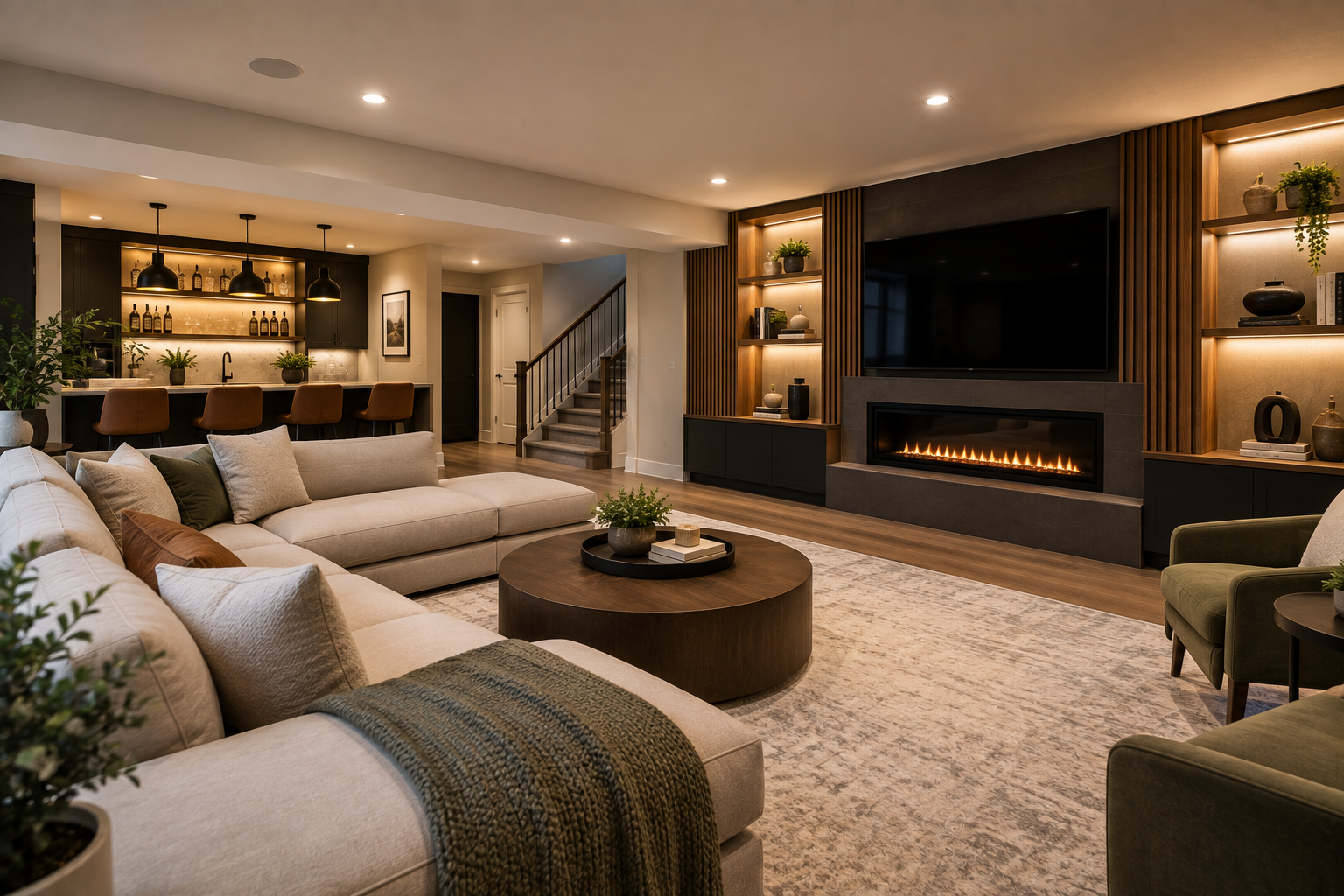
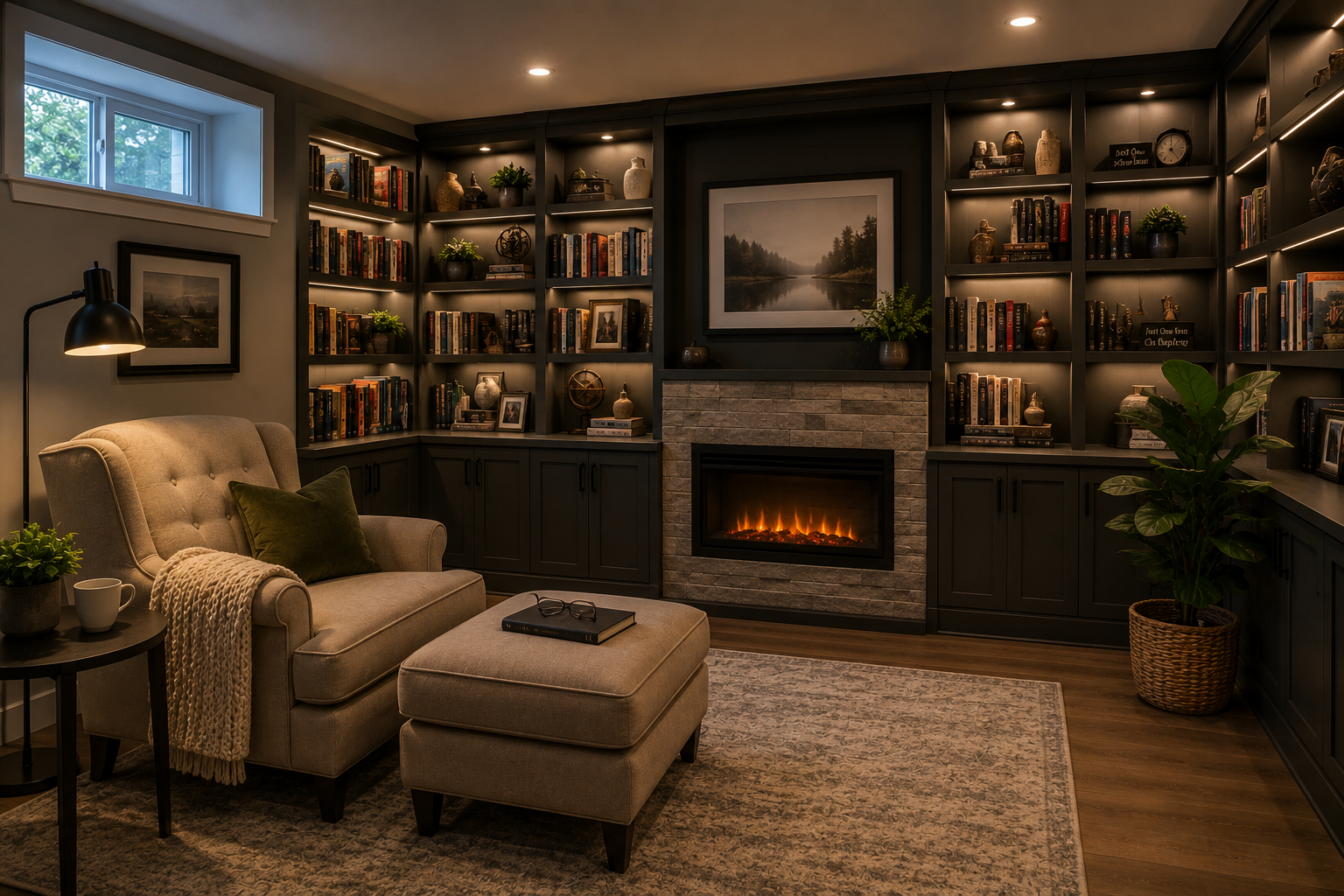
A basement is often the most underused and overlooked part of a home, yet it holds some of the greatest potential. What was once a dark, cold, and forgotten area can become a warm, vibrant, and functional extension of your living space. Across the Greater Toronto Area and throughout Ontario in cities like Mississauga, Vaughan, Brampton, Kitchener, and London, homeowners are discovering how professional basement contractors can completely transform their basements from storage zones into dream spaces that enhance lifestyle and increase property value.


The Hidden Potential Beneath Your Feet

Every basement has a story, and for many homeowners, that story begins with clutter and concrete. It’s common to use basements for storage or utilities, but with the right expertise, these areas can evolve into spaces that serve your family’s daily life. A finished basement adds not only square footage but also versatility—turning unused space into something meaningful.


Basement renovations today are about creating purposeful spaces. Families want more than just extra room; they want zones that adapt to work, leisure, and wellness. A basement can become a home office, gym, guest suite, theatre, or even a legal apartment. The transformation begins with vision and planning—but it succeeds with professional execution.


Why Professional Contractors Make the Difference

While some homeowners may attempt DIY renovations, basements are complex environments that require specialized knowledge. Professional basement contractors bring technical expertise, design experience, and a deep understanding of Ontario’s building codes. They know how to navigate challenges like moisture, insulation, ventilation, and lighting to ensure the final product is not only beautiful but also safe, efficient, and durable.


A true professional doesn’t just “finish” a basement—they build a foundation for comfort and longevity. Contractors coordinate every stage of the process, from initial design to final inspection, making sure no detail is overlooked. Their experience allows them to anticipate potential issues before they become problems, saving time, money, and frustration.


The Transformation Process

Transforming a basement involves several key stages. Each one contributes to turning a dark, unfinished area into a refined living space that feels like part of the home.


1. Consultation and Design
It all begins with a consultation. Professional basement contractors take time to understand your goals, lifestyle, and budget. Whether you envision a family entertainment zone or a luxury suite, the design process ensures your ideas are brought to life efficiently. 3D renderings and floor plans are often created to help visualize the transformation before construction begins.


2. Waterproofing and Foundation Preparation
A strong renovation starts with a dry foundation. Contractors inspect for leaks, cracks, or dampness and apply comprehensive waterproofing solutions to prevent future damage. This stage includes drainage systems, sump pump installations, and vapor barriers to ensure your basement remains dry and healthy.


3. Electrical, Plumbing, and HVAC Setup
Once the foundation is secure, essential systems are installed. This may involve wiring for lighting and entertainment, rough-ins for bathrooms or kitchenettes, and HVAC adjustments to maintain consistent climate control. Proper placement and compliance with Ontario safety standards are vital at this stage.


4. Framing and Insulation
The next step involves framing walls, ceilings, and storage zones while adding insulation to regulate temperature and reduce noise. Contractors use moisture-resistant materials and techniques designed for basement environments. This ensures comfort and energy efficiency year-round.


5. Finishes and Custom Details
Now the transformation truly takes shape. Drywall, flooring, trim, and lighting fixtures are installed. Homeowners can customize every aspect—from flooring type to paint color to cabinetry. Professional contractors work with precision to ensure every finish aligns with your style and enhances the overall design.


6. Final Inspection and Handover
Before the space is officially complete, contractors conduct thorough inspections to ensure safety and quality. Every outlet, vent, and fixture is tested. Once approved, the result is a polished, code-compliant, and ready-to-enjoy basement that feels like a natural extension of your home.


Popular Transformations in Ontario Homes

Every family has different needs, and professional basement contractors know how to design spaces that reflect that individuality. Here are some of the most popular basement transformations homeowners are investing in today:


Home Theatres
Soundproof walls, ambient lighting, and plush seating create immersive entertainment experiences that rival commercial cinemas.


Home Offices
With remote work now common, homeowners are turning basements into private workspaces equipped with modern technology and built-in storage.


Fitness and Wellness Rooms
Basement gyms and yoga studios offer convenience and privacy. Many homeowners are also adding saunas or spa-like bathrooms to create a wellness retreat at home.


Rental Suites
Legal basement apartments continue to be a top renovation choice across the GTA and beyond. They generate rental income, support multi-generational living, and significantly increase property value.


Family and Entertainment Areas
From game rooms to lounges and kids’ play areas, family-centered designs remain timeless. Open-concept layouts make basements ideal for gatherings and relaxation.


The Impact on Home Value

A well-designed and finished basement can increase property value dramatically. Depending on the project’s scope and quality, homeowners often recoup between 70 and 100 percent of their renovation costs upon resale. Beyond resale numbers, a finished basement makes a home more marketable and appealing to buyers.


Real estate professionals across Ontario consistently note that homes with professionally finished basements sell faster and for higher prices. Buyers see finished basements as an extension of the home’s square footage rather than an optional upgrade. The added functionality—especially if it includes bathrooms or rental potential—translates directly into value.


Regional Expertise Matters

Each area of Ontario presents unique challenges and opportunities for basement renovations. In Toronto, where homes are older and space is limited, contractors often specialize in underpinning to increase ceiling height and maximize square footage. In Mississauga, Brampton, and Vaughan, newer homes provide opportunities for large entertainment spaces and modern finishes. In Kitchener and London, where homes often feature bigger basements, homeowners are focusing on multi-purpose layouts that blend work, recreation, and comfort.


Experienced basement contractors adapt their methods to suit each property’s structure and local building regulations. Their regional expertise ensures projects stay compliant while achieving the highest possible standards of craftsmanship.


Why DIY Doesn’t Compare

Do-it-yourself renovations can seem appealing at first, but basements are rarely straightforward. Mistakes in waterproofing, insulation, or wiring can lead to serious long-term issues like mold, drafts, and electrical hazards. What starts as a cost-saving effort often ends up requiring professional correction later.

Professional basement contractors not only deliver better quality but also save homeowners from stress and risk. Their work comes with warranties, insurance coverage, and accountability. You gain confidence knowing your renovation is done right the first time.


Designing a Space That Reflects You

Working with professionals gives homeowners the freedom to personalize every detail. Whether you prefer a minimalist design, industrial finishes, or luxurious textures, contractors can tailor the layout and materials to suit your style. Accent lighting, feature walls, and creative storage solutions all elevate the design, transforming the basement into a place where you genuinely want to spend time.


Professional teams also help homeowners balance aesthetics with functionality. Every design decision is made with long-term usability in mind—from moisture-resistant materials to efficient layouts.


Conclusion: Transform Your Basement, Transform Your Home

A basement renovation isn’t just about adding space—it’s about changing the way you live. With the help of professional basement contractors, you can take an underused area and turn it into a space that enhances your lifestyle, adds comfort, and increases your home’s value. From planning and design to construction and final finishes, every step of the transformation process brings you closer to the home of your dreams.


If you’re ready to see what your basement could become, trust the experts who specialize in building below the surface with precision and care.

Call Assured Basements today at 1-866-580-8484 to schedule your consultation. Let our team show you how we can transform your dark basement into a bright, functional, and inspiring dream space built to last.

You might also like
February 24, 2026
Why Soundproofing Matters More in Basements Than Anywhere Else Basements are often designed to be flexible spaces. They become family rooms, home theatres, offices, gyms, guest suites, or even rental apartments. While these uses add tremendous value, they also introduce one of the most common basement complaints homeowners face: noise. Across Ontario, from Toronto and Mississauga to Vaughan, Brampton, Kitchener, and London, homeowners regularly discover that sound travels far more easily between the basement and the rest of the house than expected. Without proper soundproofing, basement renovations can disrupt daily life rather than improve it.  Soundproofing is not about complete silence. It is about control. A well soundproofed basement allows people upstairs to relax while activity happens below and lets basement occupants enjoy privacy without feeling disconnected. When planned properly, soundproofing becomes one of the most valuable yet overlooked components of a successful basement renovation. Understanding How Sound Travels in a Home Sound moves through vibration. Voices, footsteps, televisions, and music create vibrations that travel through air and solid materials like framing, floors, and ductwork. Basements are especially vulnerable because they sit directly beneath main living areas, allowing sound to travel upward through the floor structure. Many homeowners assume that thick drywall or carpet alone will solve noise problems. In reality, soundproofing requires a more thoughtful approach that addresses both airborne sound and impact noise. Without proper planning, even a beautifully finished basement can feel noisy and disruptive. The Difference Between Soundproofing and Sound Absorption One of the most common misunderstandings in basement renovations is the difference between soundproofing and sound absorption. Sound absorption reduces echo within a room, making the space feel acoustically comfortable. Soundproofing, on the other hand, focuses on preventing sound from traveling between rooms or floors. A basement renovation needs both. Absorptive materials improve the experience inside the basement, while soundproofing strategies protect the rest of the home from noise. Ignoring one or the other leads to disappointing results. Why Basement Soundproofing Should Be Planned Early Soundproofing is far more effective when it is integrated into the renovation from the beginning. Once walls and ceilings are closed, options become limited and expensive. Early planning allows contractors to address ceiling assemblies, wall construction, insulation choices, and mechanical penetrations before finishes are installed. This proactive approach delivers better results without significantly increasing costs. Homeowners who add soundproofing later often regret not addressing it earlier, especially if the basement becomes a media room, office, or rental unit. Soundproofing Between Basement and Main Floor Living Areas The ceiling between the basement and the main floor is the most critical area for sound control. This is where footsteps, conversations, and entertainment noise are most noticeable. Effective soundproofing strategies focus on reducing vibration transfer rather than simply adding thickness. When soundproofing is done properly, everyday noise becomes far less intrusive, improving comfort throughout the home. In homes with open main floor layouts, soundproofing becomes even more important because noise has fewer barriers once it reaches the upper level. Basement Soundproofing for Home Offices and Workspaces With remote and hybrid work continuing into 2026, many homeowners are converting basements into home offices. Without soundproofing, these spaces can feel isolated yet still noisy. Soundproofing allows basement offices to function as true work environments where calls, meetings, and focused tasks can happen without distraction. At the same time, activity upstairs does not interfere with productivity. This balance is essential for homeowners who rely on their basement office daily. Creating a Quiet Basement Bedroom or Guest Suite Basement bedrooms and guest suites benefit significantly from soundproofing. Privacy and comfort are key to making these spaces feel welcoming rather than temporary. Soundproofing helps reduce noise from upstairs footsteps, televisions, and conversations. For guests or family members using the basement as a sleeping area, this makes a noticeable difference in comfort and quality of rest. In legal basement apartments, soundproofing is not only a comfort feature but often a requirement to meet building code and rental expectations. Soundproofing for Entertainment and Media Rooms Basements are ideal locations for entertainment spaces, but they are also the most likely to create noise conflicts. Home theatres, gaming rooms, and music spaces produce sound levels that easily travel throughout the house. Proper soundproofing allows homeowners to enjoy these spaces without limiting volume or worrying about disturbing others. This freedom is one of the biggest lifestyle benefits of a well designed basement renovation. When soundproofing is overlooked, homeowners often avoid using the space to its full potential, which undermines the value of the renovation. The Role of Insulation in Basement Sound Control Insulation plays a major role in soundproofing, but not all insulation performs the same way acoustically. In basement renovations, insulation should be selected not only for thermal performance but also for sound control. When insulation is properly installed within walls and ceilings, it helps absorb sound energy and reduce vibration. This creates a quieter environment both inside the basement and throughout the rest of the home. Choosing insulation without considering sound performance is a missed opportunity in basement renovations. How Mechanical Systems Affect Sound Ductwork, plumbing, and electrical penetrations create pathways for sound to travel. In basements, mechanical systems are often exposed or routed through ceilings and walls, making sound control more challenging. Proper layout planning and construction techniques help minimize these sound pathways. Addressing mechanical noise early ensures that the finished basement feels calm and comfortable rather than echo filled or disruptive. Soundproofing and Basement Renovation Value While soundproofing is often considered a comfort feature, it also contributes to long term value. Buyers increasingly expect finished basements to feel like true living spaces, not noisy extensions of the home. A basement that feels quiet, private, and well separated from the rest of the house stands out in the market. This is especially true for homes with rental units, guest suites, or home offices. Soundproofing enhances both lifestyle value and resale appeal. Why DIY Soundproofing Often Falls Short Many homeowners attempt DIY soundproofing using surface level solutions. While these may reduce echo, they rarely prevent sound from traveling between floors. Effective soundproofing requires understanding how sound moves through structure and how different materials interact. Without this knowledge, results are often disappointing. Professional basement contractors understand these principles and apply them correctly during construction rather than trying to fix problems afterward. How Professional Basement Contractors Approach Soundproofing Experienced basement contractors integrate soundproofing into the overall renovation plan. They consider ceiling assemblies, wall construction, insulation choices, and mechanical layout together rather than as separate elements. This integrated approach ensures sound control does not compromise ceiling height, ventilation, or structural integrity. The result is a basement that feels intentionally designed rather than retrofitted. Balancing Soundproofing With Budget Soundproofing does not need to be extreme to be effective. Strategic planning allows homeowners to focus sound control where it matters most. For example, soundproofing a basement ceiling above a media room delivers more impact than applying minor treatments throughout the entire space. Professional guidance helps prioritize investments for the best results. The Comfort Difference Homeowners Notice Immediately Homeowners often report that soundproofing is one of the most noticeable improvements after a basement renovation. The house feels calmer, more private, and more balanced. This comfort extends beyond noise reduction. A quieter environment improves relaxation, concentration, and overall enjoyment of the home. Conclusion: Soundproofing Turns a Basement Into a True Living Space Basement soundproofing is not a luxury feature. It is a functional upgrade that transforms how the space is used and how the rest of the home feels. In 2026, Ontario homeowners who invest in proper soundproofing enjoy quieter living, greater flexibility, and stronger long term value from their basement renovations. If you are planning a basement renovation and want a space that feels comfortable, private, and quiet, call Assured Basements today at 1-866-580-8484 . Our team designs basement renovations that balance comfort, performance, and lasting value.
February 17, 2026
Why Basement Layout Planning Is the Most Important Part of Any Renovation When homeowners think about renovating their basement, they often focus on finishes, flooring, lighting, or furniture. While those elements matter, none of them will compensate for a poorly planned layout. Basement layout planning is the foundation of a successful renovation because it determines how the space will function every day for years to come. Across Ontario, from Toronto and Mississauga to Vaughan, Brampton, Kitchener, and London, homeowners are realizing that a thoughtful basement layout is what separates an average renovation from one that genuinely improves daily living and long term value. Basements are unique spaces. They sit below grade, have structural limitations, mechanical systems to work around, and often lack natural light. Because of this, layout planning must be approached differently than main floor or second floor design. A well planned basement layout accounts for these constraints while maximizing comfort, flow, and flexibility.  Understanding How Your Basement Will Actually Be Used The biggest layout mistake homeowners make is designing for how they imagine using the basement rather than how they will realistically use it. A successful basement layout begins with honest consideration of lifestyle, family needs, and long term plans. Some homeowners want a quiet retreat where they can work or relax. Others need space for kids, guests, fitness, or entertaining. In many cases, the basement must serve multiple purposes at once. Layout planning brings clarity to these needs and ensures the space works cohesively rather than feeling disjointed. In Ontario homes, basements are often expected to do more than any other level of the house. They become offices, gyms, family rooms, guest suites, and storage areas all in one. Without careful planning, this multi use expectation leads to overcrowding or awkward transitions between areas. Designing Flow in a Below Grade Space Flow refers to how people move through a space and how naturally one area connects to the next. In basement layout planning, flow is critical because basements can easily feel segmented or boxed in if too many walls are added without purpose. Open layouts often work best in basements, especially when ceiling height or natural light is limited. Instead of dividing the space into many small rooms, designers use visual separation to define areas. This may involve furniture placement, changes in lighting, or subtle ceiling treatments rather than full walls. When walls are necessary, such as for bedrooms or bathrooms, their placement should support circulation rather than interrupt it. Poorly placed walls can block light, restrict movement, and make the basement feel smaller than it is. Working Around Structural and Mechanical Constraints One of the most important differences between basement layout planning and main floor design is the need to work around structural elements. Support posts, load bearing walls, ductwork, plumbing, and electrical panels all influence layout decisions. Rather than fighting these elements, experienced basement contractors incorporate them into the design. A support post can become part of a feature wall. A bulkhead can be aligned with lighting to feel intentional rather than intrusive. Mechanical rooms can be placed where noise and access are least disruptive. Ignoring these constraints during layout planning leads to costly revisions later. Addressing them early allows the design to feel seamless and purposeful from the start. Creating Multi Functional Zones Without Overcrowding Modern basement layouts prioritize flexibility. Instead of dedicating the entire basement to a single purpose, many homeowners benefit from spaces that adapt over time. A family room can double as an entertainment space. A home office can also function as a guest room. A fitness area can share space with a relaxation zone. The key is designing zones that feel distinct without being closed off. This is where layout planning becomes an art rather than a checklist. Proportions matter. Circulation paths must remain clear. Furniture and storage should support, not restrict, movement. When done correctly, the basement feels spacious even if the footprint is modest. Planning for Light in Basement Layout Design Light is one of the most influential factors in how a basement feels. Layout planning should always consider how both natural and artificial light will move through the space. Windows and egress openings should be kept as unobstructed as possible. Placing walls directly in front of windows reduces brightness and creates darker interior zones. Instead, open areas are often positioned near available natural light, while enclosed rooms are placed deeper into the basement. Artificial lighting must then support the layout. Different areas require different lighting intensities and temperatures. Planning lighting alongside layout ensures that each zone feels comfortable and intentional rather than overly bright or dim. Privacy Considerations in Basement Layouts Privacy plays a major role in how basements are used. Layout planning should consider sound separation, visual privacy, and access points. If the basement includes a bedroom, office, or guest suite, these spaces should be located away from high traffic or entertainment areas. Bathrooms should be easily accessible without requiring guests to pass through private zones. When rental or in law suites are involved, privacy becomes even more critical and must align with building code requirements. Good layout planning balances openness with separation, ensuring each space serves its purpose without compromising comfort. Designing Layouts That Support Future Flexibility One of the biggest advantages of a basement renovation is adaptability. Layout planning should consider not only current needs but future possibilities. A basement designed solely as a children’s playroom may feel outdated as the family grows. A flexible layout allows that same space to transition into a lounge, office, or guest area later. Similarly, a basement that could one day become a legal apartment should be planned with that potential in mind, even if the conversion happens years later. Future proof layout planning protects your investment and extends the lifespan of the renovation. How Layout Impacts Basement Renovation Value Layout has a direct influence on both lifestyle value and resale value. Buyers respond to basements that feel open, functional, and well organized. Poor layouts are immediately noticeable and difficult to correct without major reconstruction. A basement with clear purpose, logical flow, and adaptable spaces appeals to a broader range of buyers. In Ontario’s competitive housing market, this translates to stronger interest, faster sales, and better offers. Layout planning is one of the most cost effective ways to increase renovation ROI because it maximizes usability without necessarily increasing square footage. Why Professional Basement Contractors Make a Difference Basement layout planning requires experience, technical knowledge, and creativity. Professional basement contractors understand how design choices interact with structure, moisture control, ventilation, and building codes. They know which walls can be moved, which cannot, and how layout decisions affect inspections and long term durability. They also understand how to design spaces that feel comfortable despite below grade conditions. Homeowners who attempt layout planning without professional guidance often end up compromising on comfort or functionality. Expert input ensures the basement works as intended from day one. Avoiding Common Layout Planning Regrets Many layout regrets stem from decisions made too quickly or without proper guidance. Rooms that feel too small, hallways that waste space, or furniture that never quite fits are often the result of rushed planning. Taking the time to visualize how the basement will be lived in daily helps avoid these frustrations. Walking through the space mentally, considering furniture placement, and thinking about movement patterns all contribute to better decisions. Bringing It All Together Basement layout planning is not about squeezing in as many rooms as possible. It is about creating a space that feels natural, comfortable, and adaptable. When layout is planned thoughtfully, the basement becomes one of the most enjoyable areas of the home rather than an afterthought. A well designed basement layout improves daily living, supports changing needs, and adds meaningful value to your property. It transforms the basement into a space that truly works for your home and your lifestyle. Conclusion: Smart Layout Planning Creates Better Basements The success of any basement renovation depends on layout planning. Before finishes, lighting, or furniture are chosen, the layout must be designed with purpose, flow, and flexibility in mind. In 2026, Ontario homeowners who invest in thoughtful basement layout planning see better comfort, stronger ROI, and longer lasting satisfaction with their renovations. If you are planning a basement renovation and want expert guidance on designing a layout that truly works, call Assured Basements today at 1-866-580-8484 . Our team specializes in basement renovations that balance function, comfort, and long term value.
February 10, 2026
Why Basement Renovation Mistakes Are So Common Basement renovations are one of the most rewarding upgrades a homeowner can make, but they are also one of the easiest places to make costly mistakes. Across Ontario, including Toronto, Mississauga, Brampton, Vaughan, Kitchener, and London, homeowners often underestimate the complexity of below grade construction. Basements face unique challenges related to moisture, structural constraints, ventilation, and building code requirements. In 2026, avoiding basement renovation mistakes is more important than ever as material costs rise and inspection standards remain strict. Understanding common errors before starting your project can save time, money, and long term frustration.  Mistake One: Skipping Proper Planning and Design One of the most common basement renovation mistakes is rushing into construction without a clear plan. Homeowners may start with a general idea but fail to define how the space will actually function. Why Planning Matters A basement renovation should begin with a detailed layout that accounts for ceiling height, mechanical systems, lighting, storage, and future flexibility. Without proper planning, homeowners often end up with awkward room layouts, wasted space, or expensive mid project changes. Design Changes Cost More Later Changing layouts after framing has begun leads to delays and additional costs. Proper planning at the start prevents these disruptions and keeps the renovation on schedule. Mistake Two: Ignoring Moisture and Waterproofing Issues Moisture is the biggest threat to any basement renovation. Ignoring it is one of the most damaging mistakes a homeowner can make. Why Moisture Must Be Addressed First Basements are naturally exposed to groundwater, humidity, and foundation movement. Even small leaks can lead to mold growth, damaged finishes, and poor air quality. Common Waterproofing Mistakes Covering Moisture Problems Instead of Fixing Them Skipping Vapor Barriers Inadequate Drainage Solutions Waterproofing must be completed before any finishing work begins. Cosmetic upgrades cannot protect against water damage. Mistake Three: Choosing the Wrong Contractor Hiring the wrong contractor is a mistake that affects every part of the renovation. Why Basement Specialists Matter Basement renovations require specialized knowledge of below grade construction. Contractors without basement experience may overlook moisture control, ventilation needs, or code requirements. Red Flags When Hiring Extremely Low Quotes Vague Timelines Lack of Basement Specific Experience No Permit Handling Professional basement contractors understand the complexities of basement renovations and plan accordingly. Mistake Four: Skipping Permits and Inspections Some homeowners try to save time or money by skipping permits. This is a serious mistake that often leads to larger problems. Why Permits Are Essential Permits ensure that work meets Ontario building codes and safety standards. Inspections protect homeowners from electrical hazards, fire risks, and structural issues. Long Term Risks of Unpermitted Work Unpermitted renovations can cause problems during resale, insurance claims, and future renovations. Correcting these issues later often costs more than doing it right initially. Mistake Five: Poor Ceiling Height Planning Ceiling height is a major factor in basement comfort and code compliance. Common Ceiling Height Issues Installing Drop Ceilings That Reduce Headroom Ignoring Ductwork and Plumbing Conflicts Failing to Meet Minimum Height Requirements Low ceilings make basements feel cramped and can fail inspections. Proper planning ensures comfortable and compliant ceiling heights. Mistake Six: Inadequate Lighting Design Lighting is often an afterthought in basement renovations, but it plays a critical role in how the space feels. Why Basements Need Strategic Lighting Basements typically lack natural light. Without proper lighting, even a newly renovated basement can feel dark and uninviting. Lighting Mistakes to Avoid Relying on a Single Light Source Using Outdated Fixtures Poor Placement of Recessed Lighting Layered lighting creates brightness, depth, and comfort throughout the basement. Mistake Seven: Choosing the Wrong Materials Not all materials are suitable for basement environments. Material Mistakes Homeowners Make Using Carpet in High Moisture Areas Installing Solid Hardwood Flooring Choosing Non Moisture Resistant Drywall Basements require materials designed to handle humidity and temperature fluctuations. Selecting the wrong materials leads to premature wear and costly repairs. Mistake Eight: Poor Ventilation and Air Quality Planning Basement air quality is often overlooked, yet it directly affects comfort and health. Why Ventilation Is Critical Without proper airflow, basements can develop condensation, odors, and poor air circulation. Common Ventilation Errors Blocking Air Returns Undersized Ventilation Systems Ignoring Humidity Control Professional basement contractors design ventilation systems that maintain healthy indoor air quality. Mistake Nine: Overcrowding the Space Trying to fit too much into a basement is a frequent mistake, especially in smaller homes. Why Less Is Often More Overcrowded basements feel tight and uncomfortable. Functional zoning creates flexible spaces that adapt to changing needs. Smart Space Planning Multi Functional Rooms Built In Storage Open Layouts Purpose driven design maximizes comfort without sacrificing usability. Mistake Ten: Underestimating the Budget Basement renovations are a significant investment. Underestimating costs leads to unfinished projects or compromised quality. Why Accurate Budgeting Matters Unexpected costs can arise from hidden structural issues or design upgrades. Planning for contingencies ensures the project stays on track. Budgeting Mistakes to Avoid No Contingency Allowance Choosing the Cheapest Options Ignoring Long Term Costs Investing in quality materials and workmanship protects the renovation long term. Mistake Eleven: Rushing the Renovation Process Some homeowners push for unrealistic timelines, leading to mistakes and poor workmanship. Why Rushing Causes Problems Basement renovations require curing times, inspections, and careful sequencing. Rushing increases the risk of errors. Quality Takes Time Professional contractors balance efficiency with precision to deliver durable results. Mistake Twelve: Not Planning for Future Needs Basements should be designed with flexibility in mind. Future Proofing Your Basement Potential Rental Use Growing Family Needs Aging in Place Planning ahead increases long term value and usability. How Professional Basement Contractors Help Avoid These Mistakes Experienced basement contractors identify risks early and guide homeowners through each stage of the renovation. Benefits of Professional Guidance Accurate Planning Moisture Management Code Compliance Efficient Scheduling Quality Finishes Professional oversight prevents common mistakes and ensures a smoother renovation experience. Why Avoiding Mistakes Protects Your Investment Basement renovations add significant value when done correctly. Avoiding mistakes protects your financial investment and enhances daily living. Long Term Value Benefits Reduced Maintenance Better Resale Appeal Improved Comfort Healthier Living Space Well executed basement renovations stand the test of time. Conclusion: Build Smart and Avoid Costly Basement Renovation Mistakes Basement renovation mistakes can turn an exciting project into a stressful experience. In 2026, Ontario homeowners benefit most by planning carefully, addressing moisture early, choosing the right contractor, and prioritizing quality. Avoiding common pitfalls leads to a basement that is comfortable, functional, and valuable for years to come. If you are planning a basement renovation and want to avoid costly mistakes, call Assured Basements today at 1-866-580-8484 . Our experienced team helps homeowners across Ontario renovate with confidence and peace of mind.

Get Your Basement Renovated In Toronto By Assured Basements

Get A Free Estimate