Expert tips

February 17, 2026
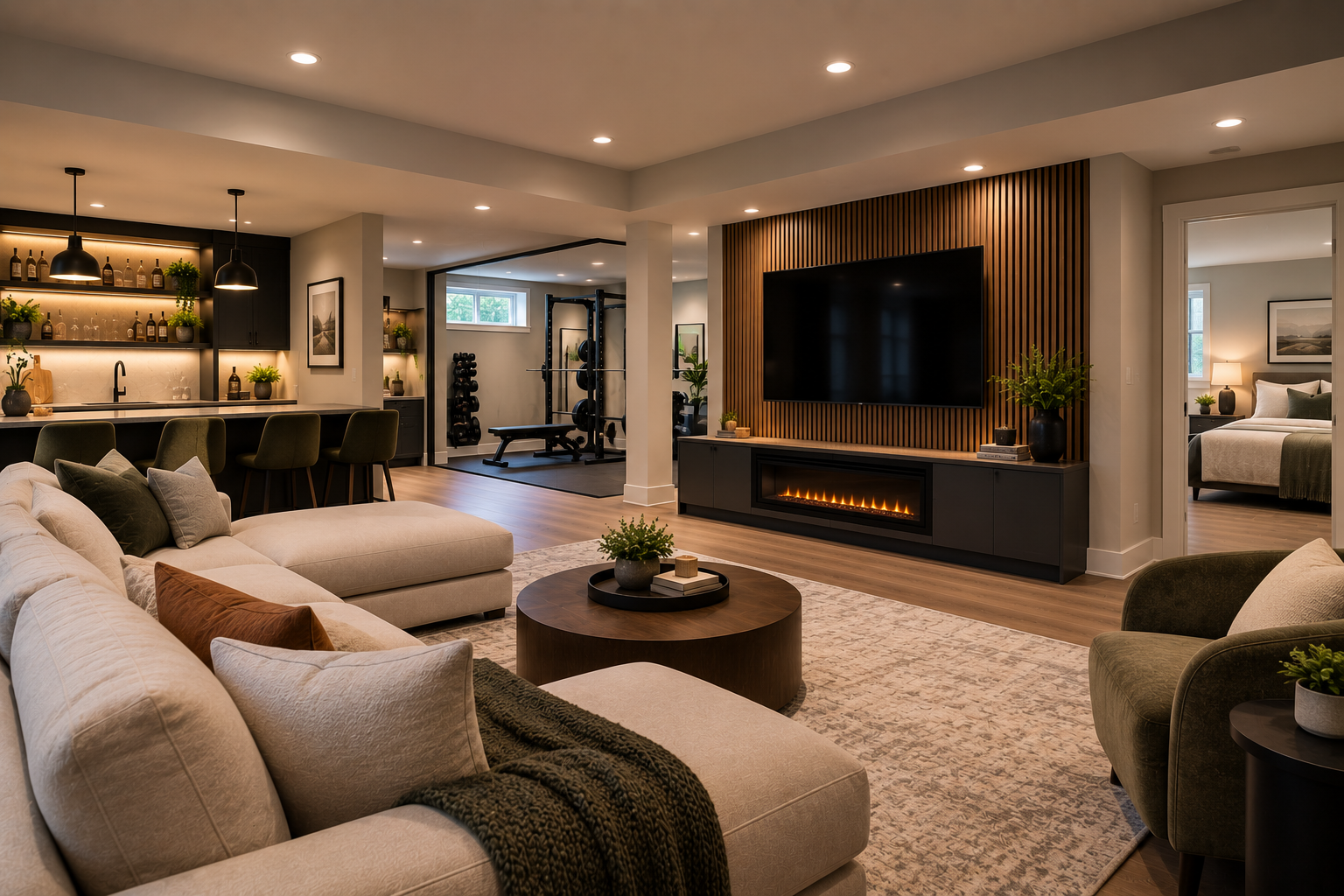
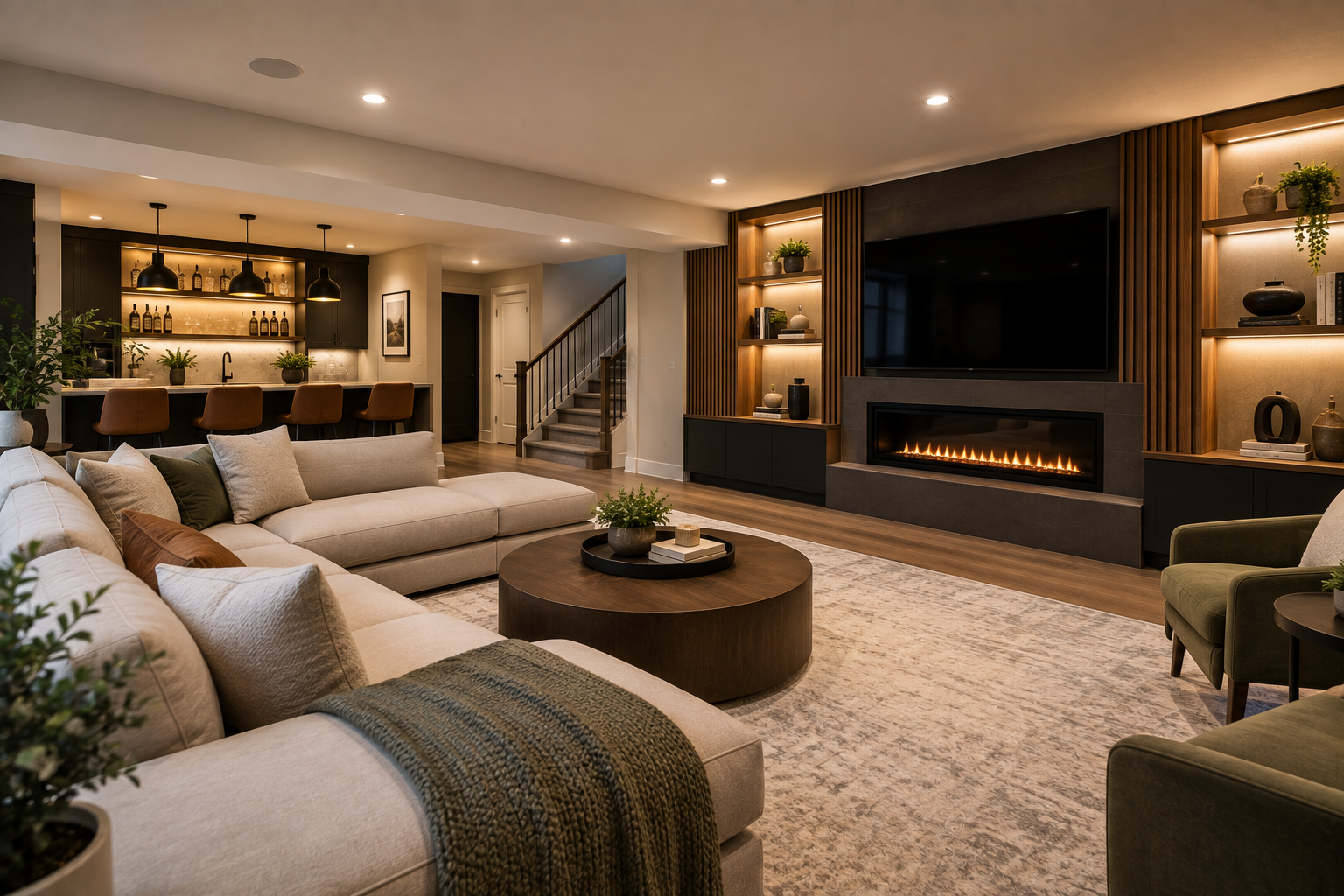
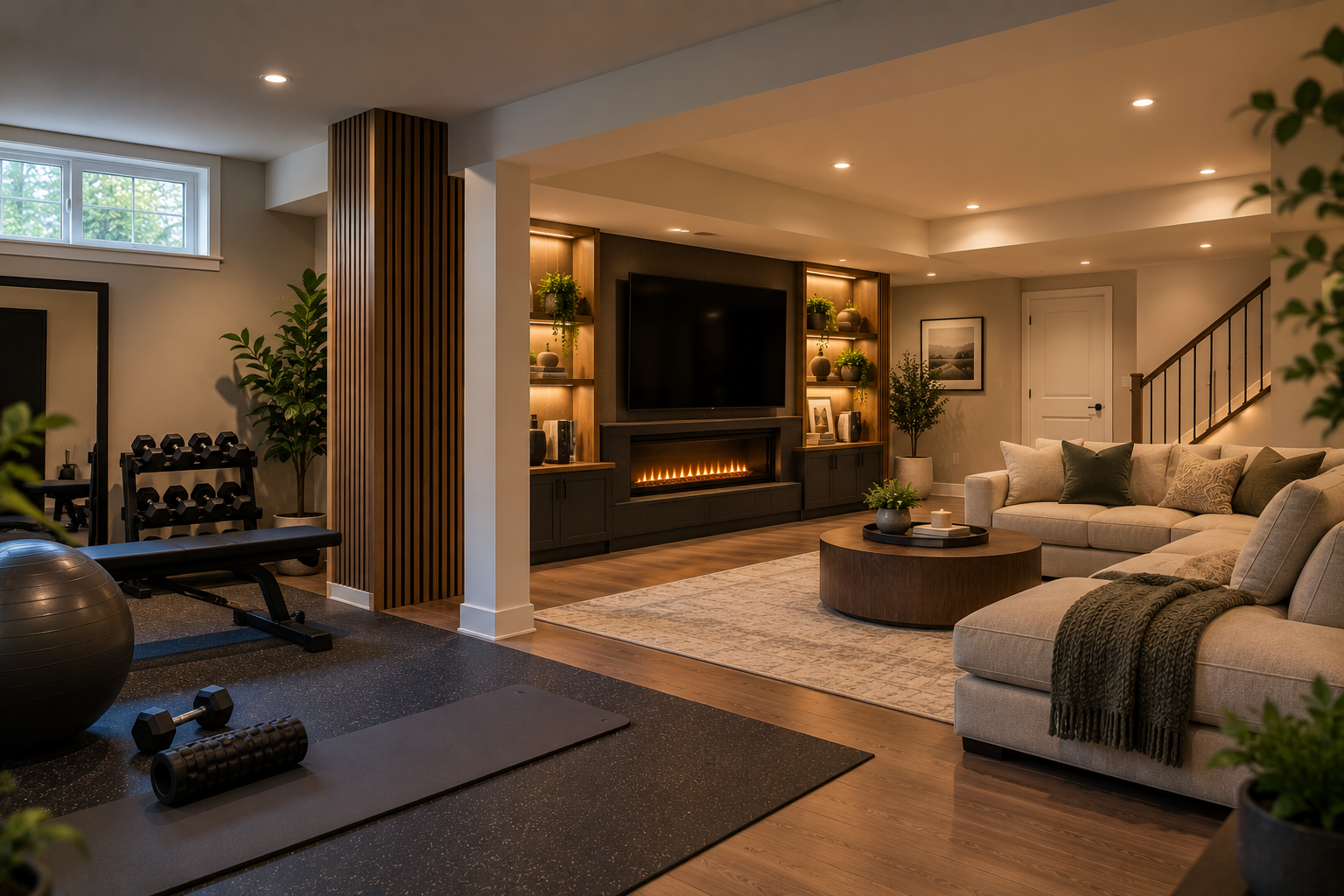
Why Basement Layout Planning Is the Most Important Part of Any Renovation When homeowners think about renovating their basement, they often focus on finishes, flooring, lighting, or furniture. While those elements matter, none of them will compensate for a poorly planned layout. Basement layout planning is the foundation of a successful renovation because it determines how the space will function every day for years to come. Across Ontario, from Toronto and Mississauga to Vaughan, Brampton, Kitchener, and London, homeowners are realizing that a thoughtful basement layout is what separates an average renovation from one that genuinely improves daily living and long term value. Basements are unique spaces. They sit below grade, have structural limitations, mechanical systems to work around, and often lack natural light. Because of this, layout planning must be approached differently than main floor or second floor design. A well planned basement layout accounts for these constraints while maximizing comfort, flow, and flexibility.  Understanding How Your Basement Will Actually Be Used The biggest layout mistake homeowners make is designing for how they imagine using the basement rather than how they will realistically use it. A successful basement layout begins with honest consideration of lifestyle, family needs, and long term plans. Some homeowners want a quiet retreat where they can work or relax. Others need space for kids, guests, fitness, or entertaining. In many cases, the basement must serve multiple purposes at once. Layout planning brings clarity to these needs and ensures the space works cohesively rather than feeling disjointed. In Ontario homes, basements are often expected to do more than any other level of the house. They become offices, gyms, family rooms, guest suites, and storage areas all in one. Without careful planning, this multi use expectation leads to overcrowding or awkward transitions between areas. Designing Flow in a Below Grade Space Flow refers to how people move through a space and how naturally one area connects to the next. In basement layout planning, flow is critical because basements can easily feel segmented or boxed in if too many walls are added without purpose. Open layouts often work best in basements, especially when ceiling height or natural light is limited. Instead of dividing the space into many small rooms, designers use visual separation to define areas. This may involve furniture placement, changes in lighting, or subtle ceiling treatments rather than full walls. When walls are necessary, such as for bedrooms or bathrooms, their placement should support circulation rather than interrupt it. Poorly placed walls can block light, restrict movement, and make the basement feel smaller than it is. Working Around Structural and Mechanical Constraints One of the most important differences between basement layout planning and main floor design is the need to work around structural elements. Support posts, load bearing walls, ductwork, plumbing, and electrical panels all influence layout decisions. Rather than fighting these elements, experienced basement contractors incorporate them into the design. A support post can become part of a feature wall. A bulkhead can be aligned with lighting to feel intentional rather than intrusive. Mechanical rooms can be placed where noise and access are least disruptive. Ignoring these constraints during layout planning leads to costly revisions later. Addressing them early allows the design to feel seamless and purposeful from the start. Creating Multi Functional Zones Without Overcrowding Modern basement layouts prioritize flexibility. Instead of dedicating the entire basement to a single purpose, many homeowners benefit from spaces that adapt over time. A family room can double as an entertainment space. A home office can also function as a guest room. A fitness area can share space with a relaxation zone. The key is designing zones that feel distinct without being closed off. This is where layout planning becomes an art rather than a checklist. Proportions matter. Circulation paths must remain clear. Furniture and storage should support, not restrict, movement. When done correctly, the basement feels spacious even if the footprint is modest. Planning for Light in Basement Layout Design Light is one of the most influential factors in how a basement feels. Layout planning should always consider how both natural and artificial light will move through the space. Windows and egress openings should be kept as unobstructed as possible. Placing walls directly in front of windows reduces brightness and creates darker interior zones. Instead, open areas are often positioned near available natural light, while enclosed rooms are placed deeper into the basement. Artificial lighting must then support the layout. Different areas require different lighting intensities and temperatures. Planning lighting alongside layout ensures that each zone feels comfortable and intentional rather than overly bright or dim. Privacy Considerations in Basement Layouts Privacy plays a major role in how basements are used. Layout planning should consider sound separation, visual privacy, and access points. If the basement includes a bedroom, office, or guest suite, these spaces should be located away from high traffic or entertainment areas. Bathrooms should be easily accessible without requiring guests to pass through private zones. When rental or in law suites are involved, privacy becomes even more critical and must align with building code requirements. Good layout planning balances openness with separation, ensuring each space serves its purpose without compromising comfort. Designing Layouts That Support Future Flexibility One of the biggest advantages of a basement renovation is adaptability. Layout planning should consider not only current needs but future possibilities. A basement designed solely as a children’s playroom may feel outdated as the family grows. A flexible layout allows that same space to transition into a lounge, office, or guest area later. Similarly, a basement that could one day become a legal apartment should be planned with that potential in mind, even if the conversion happens years later. Future proof layout planning protects your investment and extends the lifespan of the renovation. How Layout Impacts Basement Renovation Value Layout has a direct influence on both lifestyle value and resale value. Buyers respond to basements that feel open, functional, and well organized. Poor layouts are immediately noticeable and difficult to correct without major reconstruction. A basement with clear purpose, logical flow, and adaptable spaces appeals to a broader range of buyers. In Ontario’s competitive housing market, this translates to stronger interest, faster sales, and better offers. Layout planning is one of the most cost effective ways to increase renovation ROI because it maximizes usability without necessarily increasing square footage. Why Professional Basement Contractors Make a Difference Basement layout planning requires experience, technical knowledge, and creativity. Professional basement contractors understand how design choices interact with structure, moisture control, ventilation, and building codes. They know which walls can be moved, which cannot, and how layout decisions affect inspections and long term durability. They also understand how to design spaces that feel comfortable despite below grade conditions. Homeowners who attempt layout planning without professional guidance often end up compromising on comfort or functionality. Expert input ensures the basement works as intended from day one. Avoiding Common Layout Planning Regrets Many layout regrets stem from decisions made too quickly or without proper guidance. Rooms that feel too small, hallways that waste space, or furniture that never quite fits are often the result of rushed planning. Taking the time to visualize how the basement will be lived in daily helps avoid these frustrations. Walking through the space mentally, considering furniture placement, and thinking about movement patterns all contribute to better decisions. Bringing It All Together Basement layout planning is not about squeezing in as many rooms as possible. It is about creating a space that feels natural, comfortable, and adaptable. When layout is planned thoughtfully, the basement becomes one of the most enjoyable areas of the home rather than an afterthought. A well designed basement layout improves daily living, supports changing needs, and adds meaningful value to your property. It transforms the basement into a space that truly works for your home and your lifestyle. Conclusion: Smart Layout Planning Creates Better Basements The success of any basement renovation depends on layout planning. Before finishes, lighting, or furniture are chosen, the layout must be designed with purpose, flow, and flexibility in mind. In 2026, Ontario homeowners who invest in thoughtful basement layout planning see better comfort, stronger ROI, and longer lasting satisfaction with their renovations. If you are planning a basement renovation and want expert guidance on designing a layout that truly works, call Assured Basements today at 1-866-580-8484 . Our team specializes in basement renovations that balance function, comfort, and long term value.
February 10, 2026
Why Basement Renovation Mistakes Are So Common Basement renovations are one of the most rewarding upgrades a homeowner can make, but they are also one of the easiest places to make costly mistakes. Across Ontario, including Toronto, Mississauga, Brampton, Vaughan, Kitchener, and London, homeowners often underestimate the complexity of below grade construction. Basements face unique challenges related to moisture, structural constraints, ventilation, and building code requirements. In 2026, avoiding basement renovation mistakes is more important than ever as material costs rise and inspection standards remain strict. Understanding common errors before starting your project can save time, money, and long term frustration.  Mistake One: Skipping Proper Planning and Design One of the most common basement renovation mistakes is rushing into construction without a clear plan. Homeowners may start with a general idea but fail to define how the space will actually function. Why Planning Matters A basement renovation should begin with a detailed layout that accounts for ceiling height, mechanical systems, lighting, storage, and future flexibility. Without proper planning, homeowners often end up with awkward room layouts, wasted space, or expensive mid project changes. Design Changes Cost More Later Changing layouts after framing has begun leads to delays and additional costs. Proper planning at the start prevents these disruptions and keeps the renovation on schedule. Mistake Two: Ignoring Moisture and Waterproofing Issues Moisture is the biggest threat to any basement renovation. Ignoring it is one of the most damaging mistakes a homeowner can make. Why Moisture Must Be Addressed First Basements are naturally exposed to groundwater, humidity, and foundation movement. Even small leaks can lead to mold growth, damaged finishes, and poor air quality. Common Waterproofing Mistakes Covering Moisture Problems Instead of Fixing Them Skipping Vapor Barriers Inadequate Drainage Solutions Waterproofing must be completed before any finishing work begins. Cosmetic upgrades cannot protect against water damage. Mistake Three: Choosing the Wrong Contractor Hiring the wrong contractor is a mistake that affects every part of the renovation. Why Basement Specialists Matter Basement renovations require specialized knowledge of below grade construction. Contractors without basement experience may overlook moisture control, ventilation needs, or code requirements. Red Flags When Hiring Extremely Low Quotes Vague Timelines Lack of Basement Specific Experience No Permit Handling Professional basement contractors understand the complexities of basement renovations and plan accordingly. Mistake Four: Skipping Permits and Inspections Some homeowners try to save time or money by skipping permits. This is a serious mistake that often leads to larger problems. Why Permits Are Essential Permits ensure that work meets Ontario building codes and safety standards. Inspections protect homeowners from electrical hazards, fire risks, and structural issues. Long Term Risks of Unpermitted Work Unpermitted renovations can cause problems during resale, insurance claims, and future renovations. Correcting these issues later often costs more than doing it right initially. Mistake Five: Poor Ceiling Height Planning Ceiling height is a major factor in basement comfort and code compliance. Common Ceiling Height Issues Installing Drop Ceilings That Reduce Headroom Ignoring Ductwork and Plumbing Conflicts Failing to Meet Minimum Height Requirements Low ceilings make basements feel cramped and can fail inspections. Proper planning ensures comfortable and compliant ceiling heights. Mistake Six: Inadequate Lighting Design Lighting is often an afterthought in basement renovations, but it plays a critical role in how the space feels. Why Basements Need Strategic Lighting Basements typically lack natural light. Without proper lighting, even a newly renovated basement can feel dark and uninviting. Lighting Mistakes to Avoid Relying on a Single Light Source Using Outdated Fixtures Poor Placement of Recessed Lighting Layered lighting creates brightness, depth, and comfort throughout the basement. Mistake Seven: Choosing the Wrong Materials Not all materials are suitable for basement environments. Material Mistakes Homeowners Make Using Carpet in High Moisture Areas Installing Solid Hardwood Flooring Choosing Non Moisture Resistant Drywall Basements require materials designed to handle humidity and temperature fluctuations. Selecting the wrong materials leads to premature wear and costly repairs. Mistake Eight: Poor Ventilation and Air Quality Planning Basement air quality is often overlooked, yet it directly affects comfort and health. Why Ventilation Is Critical Without proper airflow, basements can develop condensation, odors, and poor air circulation. Common Ventilation Errors Blocking Air Returns Undersized Ventilation Systems Ignoring Humidity Control Professional basement contractors design ventilation systems that maintain healthy indoor air quality. Mistake Nine: Overcrowding the Space Trying to fit too much into a basement is a frequent mistake, especially in smaller homes. Why Less Is Often More Overcrowded basements feel tight and uncomfortable. Functional zoning creates flexible spaces that adapt to changing needs. Smart Space Planning Multi Functional Rooms Built In Storage Open Layouts Purpose driven design maximizes comfort without sacrificing usability. Mistake Ten: Underestimating the Budget Basement renovations are a significant investment. Underestimating costs leads to unfinished projects or compromised quality. Why Accurate Budgeting Matters Unexpected costs can arise from hidden structural issues or design upgrades. Planning for contingencies ensures the project stays on track. Budgeting Mistakes to Avoid No Contingency Allowance Choosing the Cheapest Options Ignoring Long Term Costs Investing in quality materials and workmanship protects the renovation long term. Mistake Eleven: Rushing the Renovation Process Some homeowners push for unrealistic timelines, leading to mistakes and poor workmanship. Why Rushing Causes Problems Basement renovations require curing times, inspections, and careful sequencing. Rushing increases the risk of errors. Quality Takes Time Professional contractors balance efficiency with precision to deliver durable results. Mistake Twelve: Not Planning for Future Needs Basements should be designed with flexibility in mind. Future Proofing Your Basement Potential Rental Use Growing Family Needs Aging in Place Planning ahead increases long term value and usability. How Professional Basement Contractors Help Avoid These Mistakes Experienced basement contractors identify risks early and guide homeowners through each stage of the renovation. Benefits of Professional Guidance Accurate Planning Moisture Management Code Compliance Efficient Scheduling Quality Finishes Professional oversight prevents common mistakes and ensures a smoother renovation experience. Why Avoiding Mistakes Protects Your Investment Basement renovations add significant value when done correctly. Avoiding mistakes protects your financial investment and enhances daily living. Long Term Value Benefits Reduced Maintenance Better Resale Appeal Improved Comfort Healthier Living Space Well executed basement renovations stand the test of time. Conclusion: Build Smart and Avoid Costly Basement Renovation Mistakes Basement renovation mistakes can turn an exciting project into a stressful experience. In 2026, Ontario homeowners benefit most by planning carefully, addressing moisture early, choosing the right contractor, and prioritizing quality. Avoiding common pitfalls leads to a basement that is comfortable, functional, and valuable for years to come. If you are planning a basement renovation and want to avoid costly mistakes, call Assured Basements today at 1-866-580-8484 . Our experienced team helps homeowners across Ontario renovate with confidence and peace of mind.
February 4, 2026
Why Understanding Your Basement Renovation Timeline Matters One of the most common questions homeowners ask before starting a basement renovation is how long the project will take. Whether you live in Toronto, Mississauga, Brampton, Vaughan, Kitchener, London, or surrounding areas, understanding the basement renovation timeline helps set realistic expectations and reduces stress throughout the process. Basement remodeling is a major investment, and knowing what happens at each stage allows homeowners to plan around family schedules, work commitments, and budgets. In 2026, with increasing demand for basement renovations across Ontario, timelines depend heavily on planning, scope, and professional execution.  Average Basement Renovation Timeline in Ontario While every home is different, most professional basement renovations in Ontario follow a predictable timeline. On average, a standard basement renovation takes several weeks from start to finish. Larger or more complex projects naturally require more time. Typical Timeline Ranges Basic Finished Basement Projects with minimal layout changes and no plumbing additions often take the shortest amount of time. Mid Range Basement Renovation Basements that include bathrooms, custom layouts, or upgraded finishes require additional weeks. Complex or Legal Basement Apartment Projects involving legal suites, separate entrances, or major structural work require the longest timelines. Understanding these ranges helps homeowners avoid unrealistic expectations and rushed decisions. Phase 1: Planning and Design Every successful basement renovation begins with careful planning. This stage lays the foundation for the entire project and has a significant impact on the overall timeline. Initial Consultation and Assessment During the consultation, basement contractors evaluate the space, measure dimensions, assess moisture conditions, review ceiling heights, and discuss goals with the homeowner. This step ensures the design aligns with both lifestyle needs and building code requirements. Design and Layout Development Once goals are clear, contractors create a layout that maximizes space, functionality, and comfort. This may include room divisions, bathroom placement, storage solutions, and lighting plans. Why Design Time Is Important Rushing design often leads to changes later, which can delay the project. Investing time upfront helps avoid costly revisions during construction. Phase 2: Permits and Approvals Permits are a required part of most basement renovations in Ontario, especially when adding bathrooms, bedrooms, or legal basement apartments. How Permits Affect the Timeline Permit approval timelines vary by municipality. Cities such as Toronto and Mississauga may take longer due to volume, while smaller municipalities may move faster. Why Skipping Permits Is a Mistake Skipping permits may seem like a way to save time, but it often causes significant delays if inspections fail or work must be redone. Professional basement contractors handle permits efficiently to keep projects moving smoothly. Phase 3: Site Preparation and Demolition Once permits are approved, the physical work begins. Clearing and Preparing the Basement This phase includes removing existing finishes, clearing debris, and preparing the site for construction. If the basement is unfinished, this step moves quickly. Addressing Structural or Moisture Issues If issues such as foundation cracks or moisture problems are discovered, they must be resolved before construction continues. Addressing these issues early prevents future delays and protects the renovation. Phase 4: Waterproofing and Moisture Control Waterproofing is one of the most critical stages of a basement renovation and plays a key role in long term durability. Common Waterproofing Tasks Sealing Foundation Cracks Installing Vapor Barriers Adding Interior Drain Systems Improving Ventilation Why Waterproofing Cannot Be Rushed Proper curing times and inspections are necessary. Rushing this phase can compromise the entire renovation. Phase 5: Framing and Rough Ins Once the basement is dry and protected, framing begins. Framing the Layout Walls, room divisions, and structural supports are built according to the approved design. Rough Electrical and Plumbing At this stage, electricians and plumbers install wiring, outlets, switches, lighting rough ins, drains, and water lines. Inspections During Rough Ins Municipal inspectors review framing, electrical, and plumbing before walls are closed. Scheduling inspections efficiently is key to maintaining the timeline. Phase 6: Insulation and Drywall After inspections are approved, insulation and drywall installation begins. Insulation for Comfort and Efficiency Proper insulation keeps basements warm, quiet, and energy efficient. This step is essential for comfort and long term performance. Drywall Installation and Finishing Drywall is installed, taped, and finished. Drying time between coats is required, which adds to the timeline but ensures smooth, professional results. Phase 7: Flooring, Doors, and Trim As the basement starts to look complete, finishing elements are added. Flooring Installation Flooring choice impacts timeline. Some materials require acclimation time before installation. Doors and Trim Doors, baseboards, and trim are installed to complete the structure of the space. Phase 8: Painting and Final Fixtures This phase brings the design to life. Painting Paint adds color, brightness, and personality to the basement. Proper drying time is essential for quality results. Installing Fixtures Lighting fixtures, plumbing fixtures, cabinetry, and built in storage are installed. Phase 9: Final Inspections and Walkthrough Before the renovation is complete, final inspections ensure everything meets Ontario building codes. Final Inspection Approval Inspectors review safety features, electrical systems, plumbing, ventilation, and fire separation. Homeowner Walkthrough Contractors review the finished basement with the homeowner, addressing any final adjustments or touch ups. Factors That Can Extend a Basement Renovation Timeline While most projects follow a structured timeline, certain factors can cause delays. Common Causes of Delays Design Changes During Construction Permit Delays Hidden Structural Issues Custom Material Backorders Inspection Scheduling Working with experienced basement contractors minimizes these risks. How Professional Basement Contractors Keep Projects on Schedule Professional contractors manage timelines through planning, coordination, and communication. Scheduling and Trade Coordination Experienced contractors schedule trades efficiently and avoid downtime between phases. Clear Communication Regular updates keep homeowners informed and reduce misunderstandings that cause delays. Problem Solving Experience Specialists anticipate issues and address them quickly to keep the project moving. Why Rushing a Basement Renovation Is Risky Some homeowners try to rush renovations to save time. This often leads to poor workmanship, missed inspections, and long term problems. Long Term Consequences of Rushing Moisture Issues Code Violations Structural Problems Costly Repairs Quality basement renovations require time and precision. Planning Your Life Around the Renovation Understanding the renovation timeline helps homeowners plan living arrangements, work schedules, and family routines. Tips for Homeowners Keep Storage Items Accessible Plan for Noise and Dust Communicate With Contractors Allow Flexibility Preparation makes the process far less stressful. Conclusion: Set the Right Expectations for Your Basement Renovation A basement renovation is a multi phase process that requires planning, coordination, and professional execution. In Ontario, most basement remodeling projects take several weeks depending on complexity, permits, and customization. Understanding the timeline helps homeowners make informed decisions and enjoy a smoother renovation experience. If you are planning a basement renovation and want a clear timeline with professional execution, call Assured Basements today at 1-866-580-8484 . Our team provides transparent planning, expert craftsmanship, and reliable scheduling to ensure your basement renovation is completed efficiently and built to last.
Learn how legal basement apartments in Ontario boost property value and rental income.
January 27, 2026
Learn how legal basement apartments in Ontario boost property value and rental income. A smart renovation strategy for homeowners in 2026.
Discover smart small basement renovation ideas that maximize space and comfort. Expert design tips f
January 20, 2026
Discover smart small basement renovation ideas that maximize space and comfort. Expert design tips for Ontario homeowners looking to transform compact basements.
Compare basement remodeling ROI to main floor renovations. Learn where Ontario homeowners get the be
January 12, 2026
Compare basement remodeling ROI to main floor renovations. Learn where Ontario homeowners get the best return on investment in 2026.
Learn how much basement renovations cost in Ontario in 2026. Breakdown of pricing, factors that affe
January 5, 2026
Learn how much basement renovations cost in Ontario in 2026. Breakdown of pricing, factors that affect cost, and what homeowners should expect from start to finish.
Basement Makeover Experts | Transform Space and Value
December 25, 2025
Transform your basement into a functional, high value living space. Assured Basements delivers modern basement makeovers for Ontario homes with expert craftsmanship.
Basement Waterproofing Ontario | Protect Your Renovation
December 18, 2025
Learn how basement waterproofing protects your renovation investment. Keep your Ontario basement dry, safe, and ready for finishing with Assured Basements.
2026 Basement Design Trends Ontario | Modern Renovation Ideas
December 11, 2025
Explore the top 2026 basement design trends for Ontario homes. Discover wellness spaces, smart tech, luxury finishes, and renovation ideas from Assured Basements.
More Posts